
A lot of Livonia, MI homeowners first start asking about crabgrass after their spring fertilization goes in. The lawn greens up, things look promising, and then by late June the same ugly, wide-bladed patches start spreading across the low spots and edges again. It feels like the fertilizer just fed the wrong plants. And in a way, if the timing was off, it did. Livonia’s clay-heavy soil compacts easily and stresses turf in ways that give crabgrass a reliable foothold every season, and fertilizing without a pre-emergent barrier in place is one of the most common setups for a crabgrass takeover on lawns across the city. If you are already seeing green growth and wondering whether you missed the window, this article is for you. Pre emergent crabgrass control Livonia homeowners need is time-sensitive, and understanding why helps you stop making the same call in July that you made last July.
Site planning is stronger when it accounts for local soil and runoff patterns, so resources like the USDA Web Soil Survey and EPA stormwater guidance can help frame the right questions before work begins.
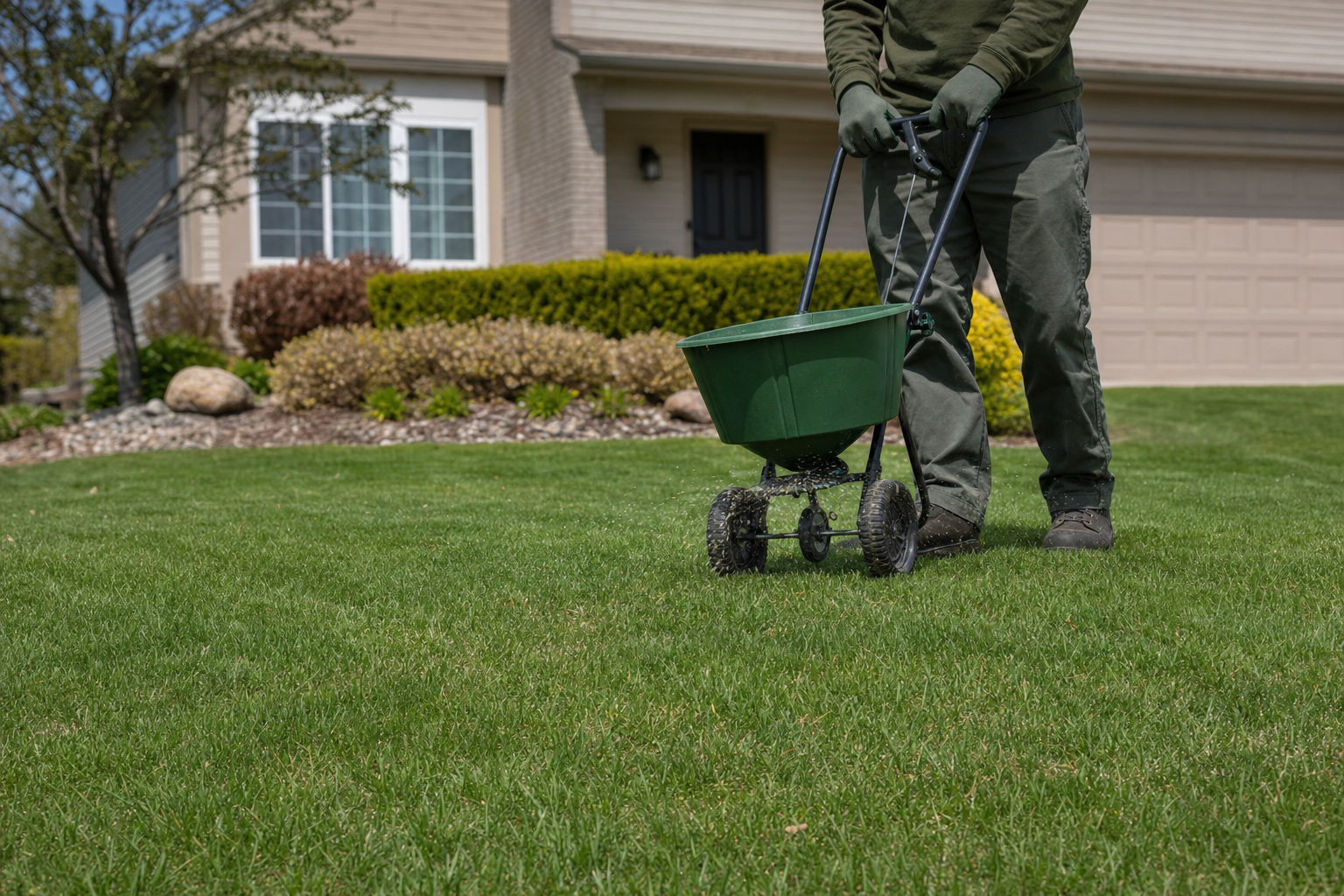
Here is what the season usually looks like. Spring arrives, the grass wakes up, and most homeowners either fertilize on their own or start a lawn program focused on green-up. The crabgrass seeds that overwintered in the soil are doing exactly what your turf is doing, warming up and getting ready to germinate. If nothing is blocking them, they sprout, spread fast, and by midsummer they have outcompeted your desirable grass in any area where the turf was thin or stressed. By the time you notice it, the plants are mature. Post-emergent options exist, but they are harder on the lawn, less reliable, and often require multiple treatments. Prevention is not just easier. It is the only approach that actually keeps the lawn looking the way you want it to.
The frustrating part is that crabgrass does not look like much of a threat in April. The lawn looks fine. The problem is invisible until it is not, and at that point you are managing it instead of preventing it. That gap between what you see now and what you will see in eight weeks is exactly where pre emergent crabgrass control Livonia programs are designed to work.
What Causes Crabgrass to Keep Coming Back
Crabgrass is an annual weed, which means it dies off each fall but leaves behind thousands of seeds per plant. Those seeds sit in the soil through winter and germinate when soil temperatures consistently reach around 55 degrees Fahrenheit at a two-inch depth. In southeast Michigan, that typically happens in late April through early May, though a warm March like we have seen in recent years can push that window earlier. Once the seeds germinate, they grow aggressively in open or thin areas of turf, especially where there is good sun exposure and minimal competition from established grass. The more bare soil a lawn has, the more opportunity crabgrass has to establish itself.
Lawns that have been through drought stress, grub damage, or heavy foot traffic are especially vulnerable. If your turf thinned out last summer for any reason, those open patches are essentially reserved seating for crabgrass this year. Understanding how winter damage affects your lawn heading into spring is part of why a prevention-first approach matters so much in this region.
Why Crabgrass Is a Specific Problem in Livonia
Livonia’s soil profile plays a real role here. Much of the city sits on heavy clay-based soil, particularly in older neighborhoods near Five Mile and Farmington Road corridors. Clay soil compacts easily, drains slowly, and creates the kind of stressed turf conditions that crabgrass thrives in. Thin, compacted grass cannot outcompete a fast-germinating annual weed. Add in the fact that Livonia lawns tend to have mature tree canopies that create uneven sun and moisture patterns across a single yard, and you end up with lawns that have both dense shaded areas and dry, sun-baked patches, exactly the mixed conditions where crabgrass finds its footholds. Fertilizing for clay soil in Livonia requires a different approach than sandier Michigan soils, and the same is true for weed prevention timing.
Pre Emergent Crabgrass Control Livonia Homeowners Often Get Wrong
The most common mistake is applying a pre-emergent too late. If soil temps have already hit the germination threshold and seeds have begun to sprout, a pre-emergent barrier will not stop what is already in motion. Applying after germination starts is essentially applying nothing useful for this season’s problem. The second mistake is applying a pre-emergent and then immediately overseeding. Pre-emergent products work by preventing seed germination, and they do not distinguish between crabgrass seed and grass seed. If you need to overseed bare patches, that needs to happen either before the pre-emergent goes down or later in the fall, not right after. The third mistake is skipping the pre-emergent in years when the previous summer looked fine. Crabgrass seed accumulates in the soil every season. A good year does not reset the bank of seeds waiting in the ground.
The Fix: A Timed Pre-Emergent Application Paired with Proper Fertilization
Effective pre emergent crabgrass control Livonia lawns need is not just about the product. It is about the timing, the application rate, and what comes with it. We apply pre-emergent as part of our early-season program, coordinated with our fertilization rounds using Lesco NOS Plus, which delivers 90% absorbable nitrogen. That matters because a lawn that is getting the right nutrients at the right time builds the density that naturally resists crabgrass pressure. A thin, underfed lawn gives crabgrass exactly the opening it needs. When fertilization and pre-emergent work together on the right schedule, the results are dramatically different from either product applied in isolation or off-cycle. Our April fertilization timing guide explains why this window is so critical for Michigan lawns specifically.
When to Call a Professional Instead of Handling It Yourself
If you have already seen crabgrass two or more summers in a row, or if your lawn has significant thin or bare areas going into this spring, the DIY window for reliable results is narrow and unforgiving. Timing errors of even two to three weeks can mean the difference between a clean summer lawn and another season of managing an infestation. We work with homeowners across Livonia who have tried the bag products from the hardware store and found themselves back in the same situation by July. Pre emergent crabgrass control Livonia programs through a professional service account for your specific soil conditions, current soil temps, and what the rest of your lawn program looks like. If the lawn has been struggling and you want this year to look different, reach out to our team before the soil warms up and the window closes.