
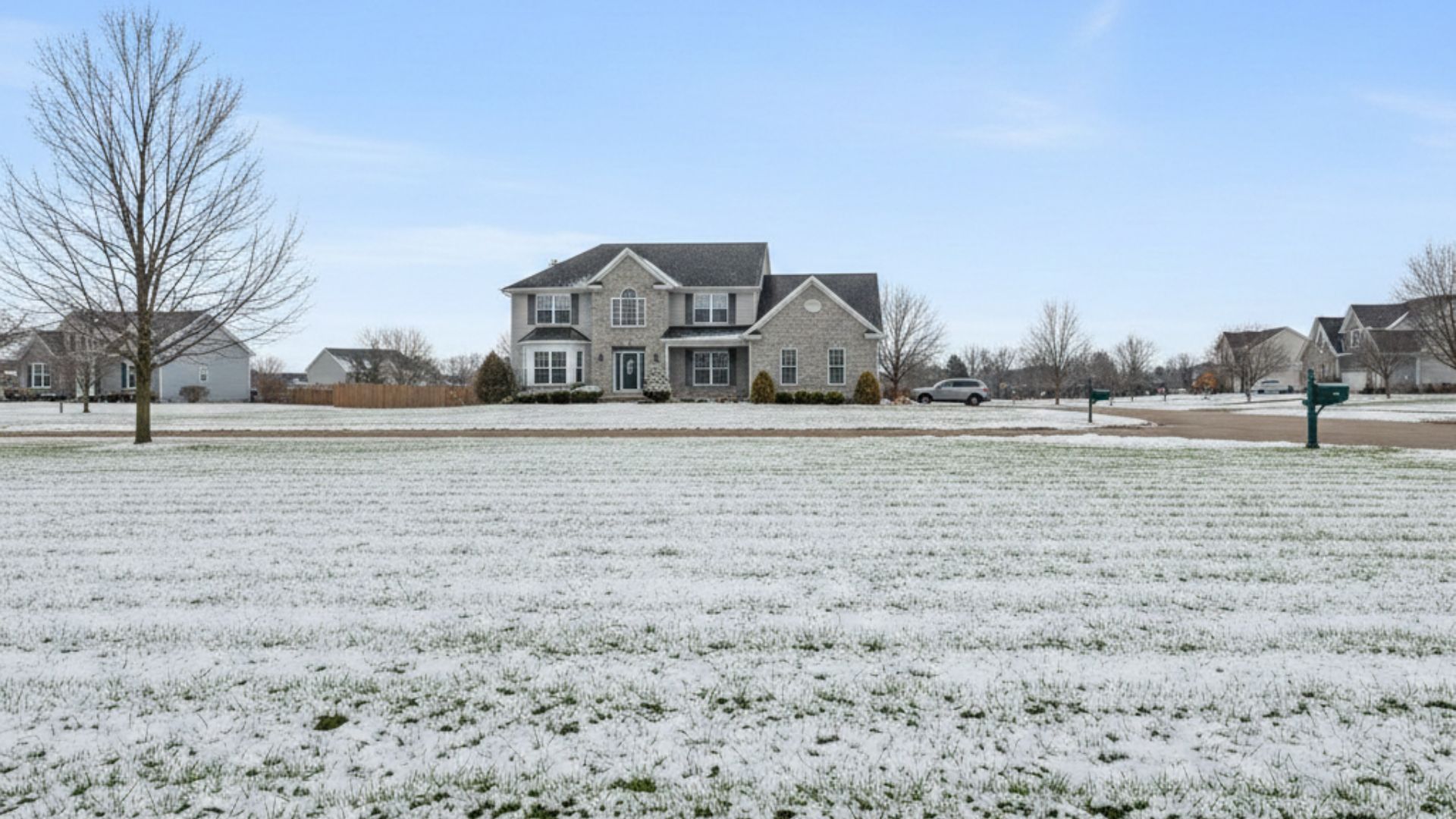
As December arrives and frost creeps across Southeast Michigan, many homeowners face a familiar worry: Will my lawn survive the winter intact? It's a legitimate concern. Winter stress, snow mold, soil compaction, and pest activity can damage your grass before spring even arrives. The good news? Understanding how to prevent lawn damage during winter is far more manageable than dealing with dead patches and expensive repairs come April.
The key to a resilient lawn comes down to thoughtful preparation and proactive care. Winter lawn damage doesn't happen by accident. It's often the result of missing critical steps in the months leading up to the coldest season. By taking action now, you can protect your grass, preserve curb appeal, and set the stage for lush, healthy growth when warmer weather returns.
Winter's Greatest Threats to Michigan Lawns
Before diving into solutions, it helps to understand exactly what winter throws at your lawn in the Livonia, Plymouth, Canton, Novi, and Northville regions. Our Michigan winters create a unique combination of stressors that directly challenge grass health.
Snow mold is perhaps the most insidious threat. This fungal disease develops under prolonged snow cover, particularly when soil remains unfrozen and wet. As ice thaws and refreezes, snow mold spreads across dormant turf, leaving behind circular patches of gray or tan damage that become apparent in early spring.
Soil compaction intensifies during winter. Repeated foot traffic, snow removal equipment, and the weight of accumulated snow compress soil and restrict root growth. This compaction reduces water infiltration and nutrient availability come spring, setting your lawn up for a weak season.
Pest activity doesn't stop when temperatures drop. Grubs, moles, and other soil-dwelling pests remain active beneath the surface throughout winter, feeding on grass roots and leaving damage you won't notice until spring dormancy breaks.
Salt and de-icing chemicals damage grass blades, disrupt soil structure, and create hostile growing conditions. Salt buildup near driveways and walkways can prevent water absorption for months.
Fall Fertilization Sets the Stage
Timing matters enormously when it comes to lawn nutrition. The best time of year to fertilize a lawn in Michigan involves a two-part approach that many homeowners miss entirely.
Fall fertilization, ideally completed by early November, is crucial for winter survival. This application should be higher in potassium, which strengthens cell walls and improves cold tolerance. The goal is to encourage root growth rather than blade development. Strong roots store nutrients that sustain the grass through dormancy.
If you're overseeding in fall, apply pre-seeding fertilizer two weeks before planting, then wait until the new seedlings are established before the second application. This prevents nutrient runoff and gives young grass time to root.
A late-season application in early December, sometimes called winterizer fertilizer, provides a final nutrient boost just as growth slows. This feeding supports root health and carbohydrate storage, creating resilience against winter stress.

Aeration and Overseeding Before Winter Arrives
Many Michigan homeowners ask: How often should I aerate and overseed my lawn? The answer depends on your soil and current grass density, but generally, aeration should occur annually, ideally in early fall before winter arrives.
Why is lawn aeration so critical before winter? Aeration addresses soil compaction head-on. By creating small channels in compacted soil, you improve water infiltration, nutrient movement, and oxygen availability. This directly strengthens grass plants, making them more resilient to winter stress.
The relationship between soil compaction, aeration, and lawn health is straightforward. Compacted soil suffocates grass roots. Aeration reverses this by mechanically opening the soil. When combined with overseeding, aeration fills weak spots before dormancy sets in. New seedlings germinate in fall and spend winter establishing roots in loosened soil. Come spring, you'll have denser turf that crowds out weeds and resists disease. For deeper insights into timing and techniques, learn more about fall aeration and overseeding strategies.
Common mistakes to avoid: Don't overseed without aeration first. New seed struggles to make soil contact in hard, compacted ground. Don't aerate too late in the season. Aim for late September or early October so seedlings can establish before cold arrives.
Water Management During Winter Months
How much and how often should you water your lawn for optimal health during winter? Once temperatures consistently drop below 50 degrees Fahrenheit, your lawn's water needs decrease dramatically. Dormant grass requires minimal supplemental watering. However, if you experience warm spells or unseasonably dry conditions, a deep watering can prevent winter desiccation, where cold, dry winds pull moisture from grass blades faster than roots can replenish it.
The key is one deep watering before the ground freezes solid. Water thoroughly in late November or early December to ensure soil moisture extends 3 to 4 inches deep. This moisture sustains roots through dormancy and reduces stress from temperature fluctuations.
Preventing Weeds and Pests After Seeding
Once you've overseeded and aerated, protecting that investment matters. When is the best time to apply pre-emergent herbicides or weed control? Pre-emergent applications should happen before overseeding, ideally in late August or early September. These prevent dormant weed seeds from germinating. Once you've overseeded, avoid additional weed control applications until spring, as you risk damaging new seedlings.
For pest prevention, grub control works best as a preventative application in May and again in August, before winter arrives. If you suspect existing grub damage, fall treatment can still provide winter protection. Surface insecticides for other pests are best applied after overseeding has established. Winter provides a natural check on many pest populations, but moles remain problematic year-round. Understanding why moles invade your yard helps you take targeted preventative steps before winter compaction worsens the damage.

Protecting Your Lawn from Salt Damage
One aspect of winter lawn care that homeowners often overlook is salt protection. Use calcium chloride or pet-safe de-icing products instead of sodium chloride. If salt must be applied, create a barrier between the treated area and your lawn. Even a row of burlap offers some protection. After winter thaw, consider a spring soil amendment to counteract salt damage. Gypsum helps break down salt deposits and improve soil structure.
Your Winter Lawn Defense Checklist
Putting it all together, here's what winter lawn protection looks like in practice:
November: Complete aeration and overseeding, then apply winterizer fertilization
Early December: Deep watering before the ground freezes, assess pest activity
Throughout Winter: Monitor for snow mold, clear excessive snow buildup from high-traffic areas, avoid salt damage where possible
January to February: Plan spring maintenance and note any problem areas for professional attention
Moving Forward with Confidence
Winter lawn damage feels unpredictable because homeowners often react to problems rather than prevent them. But with understanding, the process becomes clear. By addressing soil compaction through aeration, strengthening grass with strategic fertilization, filling weak spots with overseeding, and managing water wisely, you're building a lawn with genuine resilience.
The suburban homeowners who maintain healthy lawns throughout winter and enjoy lush growth in spring aren't lucky. They're proactive. They make decisions in fall and early winter that compound into spring success. Your lawn's winter health is determined largely by the steps you take right now, in December.
If you'd like professional guidance tailored to your specific property, the team at Independent Lawn Service understands exactly what Southeast Michigan lawns need to thrive through winter and beyond. With nearly three decades of experience, they've helped countless homeowners across Livonia, Plymouth, Canton, Novi, and Northville protect their lawns. Call 734-600-9161, visit independentlawnservice.mystagingwebsite.com, or check their local reviews and service details to discuss your lawn's winter readiness today.