

The first signs of fall mean it's time to think about your lawn's health. Many homeowners in Southeast Michigan notice their grass looking tired after a long summer. Brown patches, thin spots, and compacted soil are common problems that need attention before winter arrives.
Fall aeration & overseeding in Michigan timing gives your lawn the best chance to recover and grow thick, healthy grass for next year. The cooler temperatures and regular rainfall create perfect conditions for grass to establish strong roots.
Why Fall Timing Gives Michigan Grass the Best Growing Conditions
Fall provides ideal conditions for lawn recovery in our region. Summer heat and drought stress your grass, but fall brings cooler weather, more rain, and fewer weeds competing with your grass for nutrients and space.
Cool season grasses like fescue, bluegrass, and ryegrass grow best during fall months. When air temperatures stay between 60-75°F and soil remains warm from summer heat, new grass seeds can develop strong root systems before winter dormancy sets in. This natural growing cycle means your lawn gets a head start on next year's growth.
How Lawn Aeration Solves Compacted Soil Problems
Aeration creates small holes in your lawn to let air, water, and nutrients reach grass roots. Heavy foot traffic, clay soil, and regular family activities cause soil to become packed down over time. Michigan's clay heavy soils are particularly prone to compaction issues.
When soil gets compacted, water runs off instead of soaking in. Fertilizer sits on top rather than feeding roots. Your grass can't get the oxygen it needs to stay healthy. This creates a cycle where weak grass becomes more susceptible to weeds, disease, and pest problems.
Professional lawn aeration services use specialized equipment to create the proper depth and spacing needed for maximum effectiveness.
Your lawn needs aeration when you notice these signs:
- Water sits on the surface after light rain
- Grass feels bouncy when you walk on it
- Brown patches don't improve with watering
- Weeds grow better than grass
- Soil feels hard when you push a screwdriver into it
Learn more about the benefits of lawn aeration for Michigan homeowners and how this process transforms soil health.
Overseeding Process for Filling Bare Spots and Thin Areas
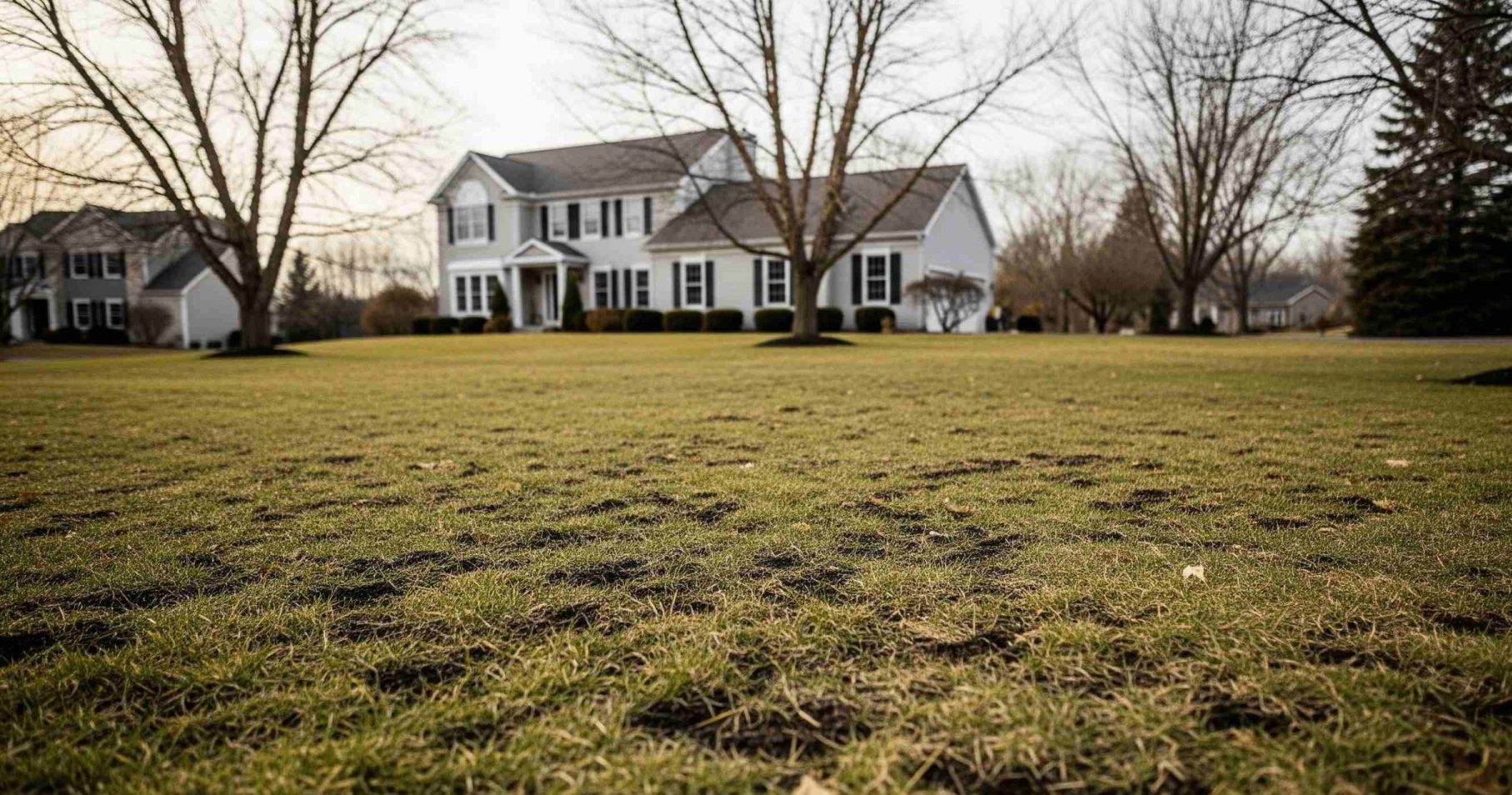
Professional overseeding techniques spread new grass seed over your existing lawn to fill in bare and thin areas. Every year, lawns naturally lose 20-30% of grass plants from disease, insects, and weather stress. Without regular overseeding, your lawn gradually becomes thinner and more vulnerable to problems.
Thick grass creates a safer, more comfortable surface for kids and pets to play on. Dense turf also prevents weeds from taking hold and reduces mud around your home. When grass grows thick, it naturally crowds out dandelions, crabgrass, and other unwanted plants that compete for space.
These grass types work well for overseeding in the Livonia area:
- Tall Fescue handles heavy traffic where children play
- Fine Fescue grows well in shady spots under trees
- Perennial Ryegrass establishes quickly for fast results
- Kentucky Bluegrass creates thick, attractive lawns
Most Common Aeration and Overseeding Mistakes That Waste Money
Many homeowners make timing and preparation errors that waste money and prevent good results. Understanding these mistakes helps you get better outcomes.
Waiting too long represents the biggest problem. If you wait until late October or November, soil temperatures drop too low for seeds to grow. Seeds may sit all winter without growing, making them easy targets for birds or washout.
Other common problems include:
- Skipping soil tests that show pH and nutrient needs
- Not watering consistently after seeding
- Choosing wrong grass types for your conditions
- Poor seed contact with soil
DIY Equipment and Materials vs Professional Service Benefits
Renting aeration equipment and buying quality grass seed requires upfront investment and physical effort. Most suburban yards need materials and equipment rental to complete the project properly.
DIY projects face several challenges. Aerators weigh over 150 pounds and require physical strength to operate. Timing everything with weather conditions takes planning. Choosing the right seed for your specific yard conditions requires local knowledge.
Professional services bring several advantages:
- Heavy duty equipment that works more effectively
- Better seed varieties not sold in stores
- Proper timing with other lawn treatments
- Follow up care and monitoring
How to Identify Common Lawn Diseases and Prevention Methods
Fall aeration overseeding Livonia Michigan becomes more important when you spot disease issues that hurt grass health. Knowing these problems helps you take action early.
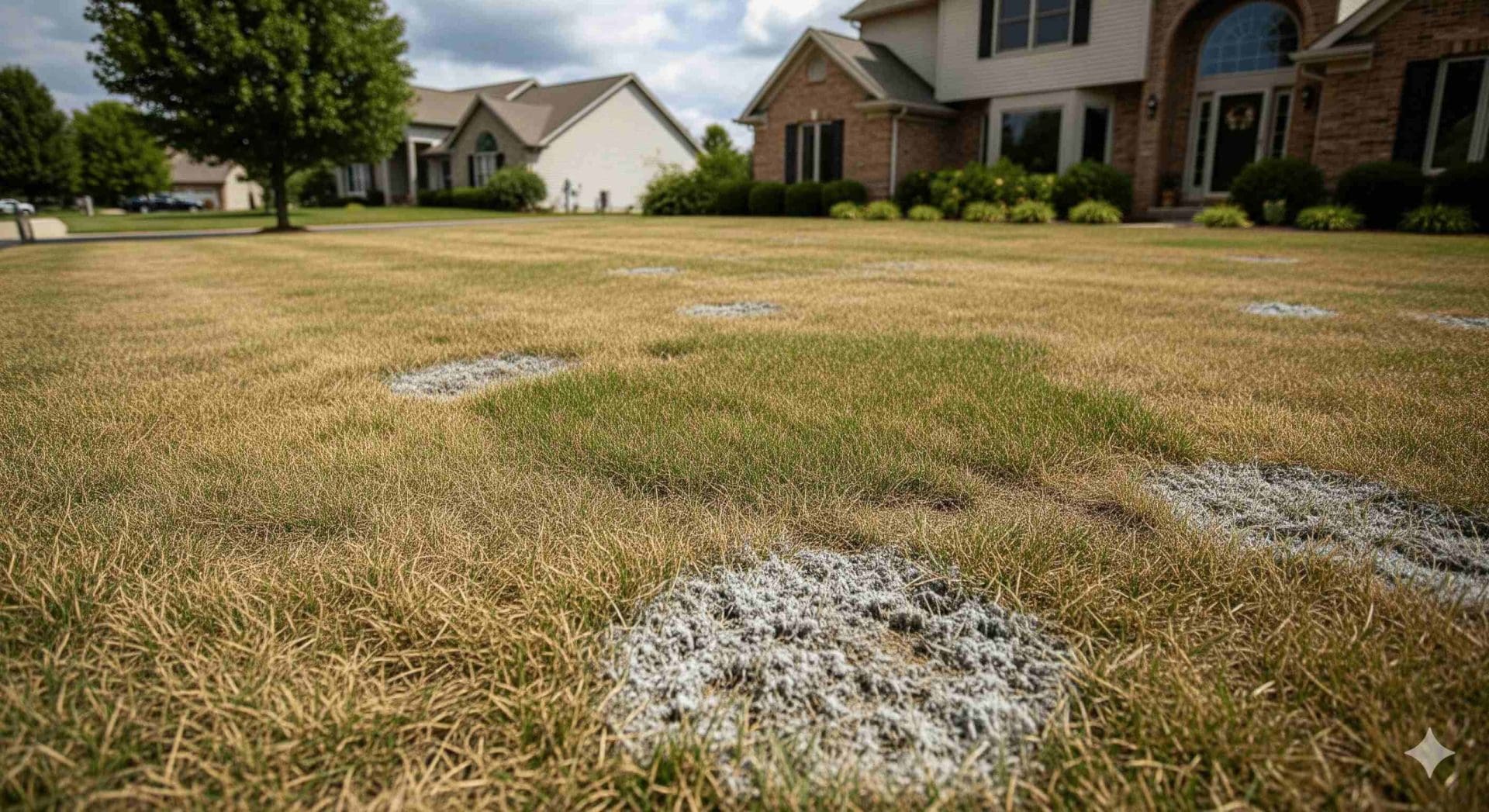
Brown patch disease shows up as brown circles 2-3 feet across, often with a ring pattern around the edges. Dollar spot creates small brown patches the size of silver dollars. Red thread makes irregular brown areas with red or pink threads visible on grass blades.
Healthy, thick grass fights off disease better than thin grass. Aeration and overseeding help prevent disease by improving air flow, reducing excess moisture, growing stronger grass that crowds out problems, and creating better water drainage. For severe cases, professional lawn fungus and disease control treatments may be necessary.
Complete Seasonal Lawn Care Schedule for Best Results
Success with fall aeration overseeding Livonia Michigan requires understanding how this fits with your overall lawn care schedule. Proper timing ensures treatments work together instead of competing against each other.
Early fall works best for aeration and overseeding when soil is still warm but air temperatures are cooling. Late fall is good for winter fertilizer that helps grass store nutrients. October allows final weed treatments before grass goes dormant. November focuses on final mowing and leaf cleanup to prevent disease issues.
Spring starts in March with pre-emergent crabgrass prevention when soil hits 50-55°F. This timing is critical because applying too early or too late reduces effectiveness. April brings professional fertilization services and early weed treatments. May allows follow up fertilizer and additional weed control as needed.
Summer months from June through August focus on deep watering, grub prevention treatments, and watching for disease or drought stress. This maintenance approach keeps your lawn healthy through challenging weather.
Long Term Property and Family Benefits of Healthy Grass
Good fall aeration and overseeding creates benefits that last beyond next spring. Thick, healthy grass reduces erosion, increases your property value, keeps your home cooler in summer, provides safer play areas, and needs fewer chemical treatments.
These benefits build over time, making your yard more enjoyable and valuable each year.
Contact Local Experts for Professional Fall Lawn Care
Fall conditions for aeration and overseeding won't last long. Each week you wait reduces the time grass has to establish before winter.
Whether you handle this yourself or work with professionals, taking action while conditions are right makes the difference. Independent Lawn Service has helped Southeast Michigan homeowners for nearly 30 years.
Their team knows the specific timing and treatments that work best in our area. This takes the guesswork out of fall lawn care and gives you confidence in the results.
Ready to improve your lawn this fall? Call Independent Lawn Service at 734-600-9161 to learn how aeration and overseeding can give you the thick, healthy grass your family will enjoy.