
We work on lawns across Livonia, including neighborhoods near Newburgh Road and Rotary Park, and the pattern is pretty consistent. Homeowners apply fertilizer on schedule, but the lawn still greens up unevenly, stays thin longer than expected, or never seems to build the density it should. Usually the issue is not that the lawn is being fed too little. It is that the product, timing, and soil conditions are not working together.
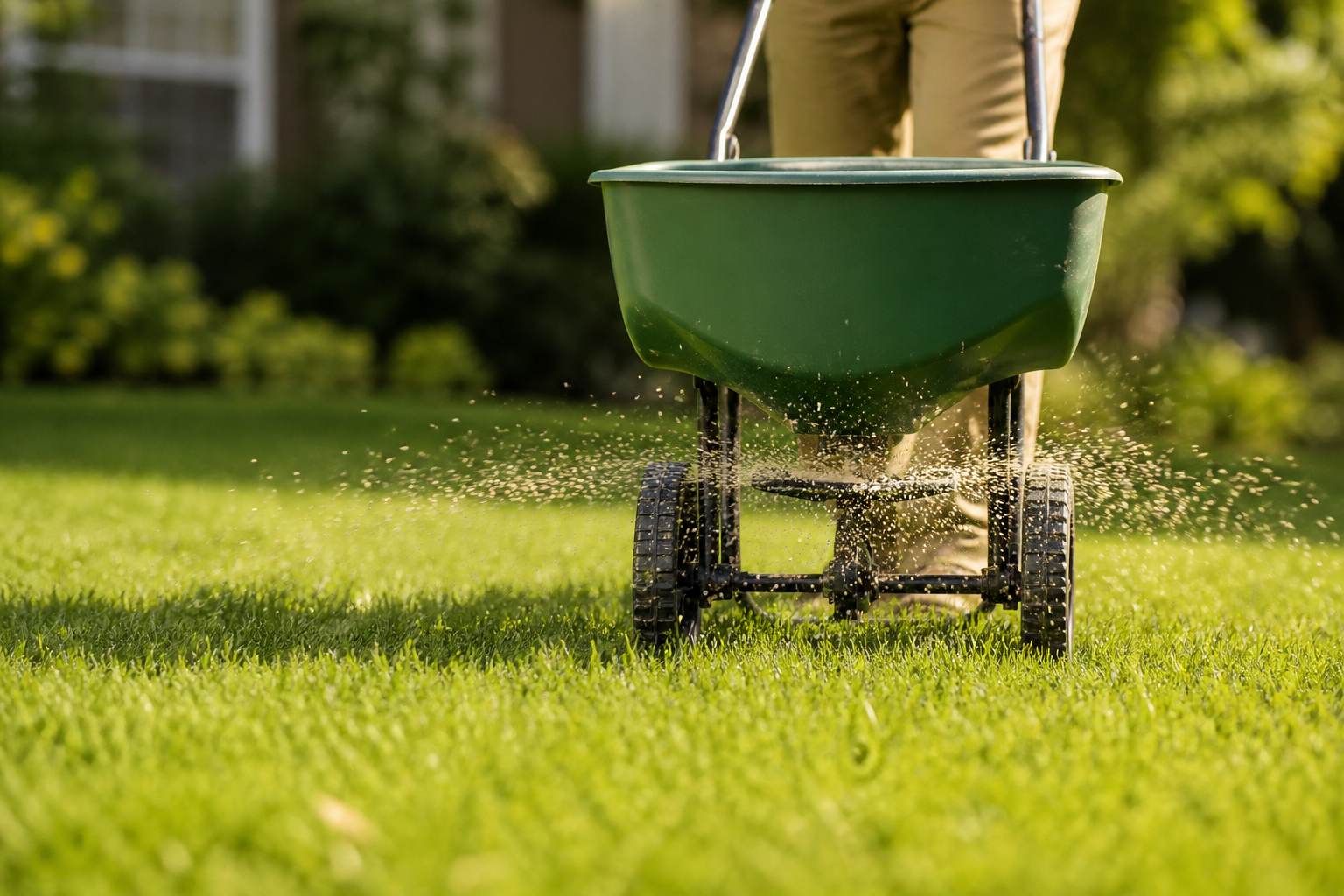
Why Clay Soil Changes Lawn Fertilization in Livonia
Clay soil can hold nutrients better than lighter soils, which sounds like an advantage, and sometimes it is. But it also stays colder longer in spring, drains slowly, and can make nutrient uptake less predictable when the lawn is just starting to break dormancy. That is a big reason Livonia lawns often need more strategic early-season fertilization than homeowners expect.
When soil temperatures are still climbing and the ground is holding moisture, the lawn may not respond well to a generic fertilizer approach. What usually works better is a program built around actual growing conditions, not just the calendar. That means watching the soil, the turf response, and the timing of the season instead of throwing product down and hoping for the best.
Why We Adjusted Our Fertilizer Program
One change we made was moving to Lesco NOS Plus in our fertilization program. The reason is simple. We wanted a product that performs more consistently in the cool, dense soil conditions we see so often in Livonia during spring. Instead of making this page about product hype, the better way to explain it is this: we changed products because we wanted more reliable nutrient availability and more predictable results for local lawns.
That matters because early spring is when homeowners are trying to recover color, improve density, and give the turf enough strength to compete with weeds before summer stress shows up. If the lawn cannot use the nutrients efficiently, the application does not do what it needs to do.
When to Start Fertilizing a Lawn in Livonia
For most Livonia lawns, the first application should line up with active turf growth, not just the first warm afternoon. We usually watch for soil temperatures to stabilize and for the lawn to show real signs of waking up before treating it like the season is fully underway.
Fertilizing too early can waste product. Waiting too long can leave the lawn thin and behind schedule right when crabgrass and other weeds are trying to move in. That is why timing is such a big part of the process. A good first round does more than improve color. It helps the lawn establish momentum for the rest of spring.
If you are looking at a broader turf plan, our fertilization service page breaks down how the program fits into long-term lawn health rather than just one application.
How Fertilization and Aeration Work Together
Fertilizer works better when the soil gives roots room to perform. On compacted Livonia lawns, that is not always a given. That is one reason we also changed our aeration approach and started using liquid aeration later in the program. The goal is not to turn this into an aeration article, but the connection matters. Better soil movement and better root access help the lawn respond more consistently to fertilizer.
If compaction is part of the problem on your property, our aeration service is worth looking at alongside fertilization. In a clay-heavy market like Livonia, these services support each other.
What Homeowners Should Expect After a Fertilizer Application
After a properly timed application, most lawns start showing better color first, then stronger growth and fuller coverage. That does not mean overnight perfection. It means the lawn begins responding in a way that makes mowing, weed prevention, and overall care easier through the next several weeks.
We usually tell homeowners to watch for a steadier green-up, more even density, and a healthier overall look instead of expecting one treatment to fix every weakness in the yard. The best results come from a program, not a single round.
Common Reasons Fertilizer Does Not Seem to Work
When a lawn in Livonia does not respond well, it is often a combination of timing, soil condition, mowing habits, and unrealistic expectations from a one-size-fits-all product. Some lawns are also fighting weed pressure or compaction at the same time, which changes how much visible improvement you get from fertilization alone.
That is why we like to look at the whole picture. If weed pressure is part of what is dragging the lawn down, our weed control service may need to work alongside the fertilization plan. Better turf and better weed control usually go hand in hand.
Need Lawn Fertilization in Livonia, MI That Matches Local Conditions?
If your lawn has been slow to green up, struggles to thicken, or never seems to respond the way it should, the problem may be less about how often you fertilize and more about what the lawn is getting and when. We can help you build a plan that fits Livonia conditions instead of relying on a generic schedule.
Request a lawn care quote and talk with our team about what your lawn needs this season.
Frequently Asked Questions About Lawn Fertilization in Livonia, MI
Why is lawn fertilization different in Livonia than in other parts of Michigan?
Livonia lawns often sit on heavier clay soil, which holds moisture and nutrients differently than lighter soils. That changes how fertilizer behaves, especially in early spring when the ground is still cool and wet.
When should I schedule my first fertilizer application in Livonia?
The best time is when the lawn is actively growing and soil conditions support nutrient uptake. In many years that means mid to late spring, but exact timing depends on how the season develops.
Can fertilization help with thin or uneven turf?
Yes, but usually as part of a broader lawn care plan. Fertilization can improve color and density, but compaction, mowing, weed pressure, and timing all affect the result.
Should fertilization be combined with aeration or weed control?
Often, yes. On compacted or weed-stressed lawns, fertilization tends to work better when it is paired with aeration and weed control as part of a full program.
For general landscape and lawn best practices, homeowners can also review resources from USDA-supported Extension programs.