
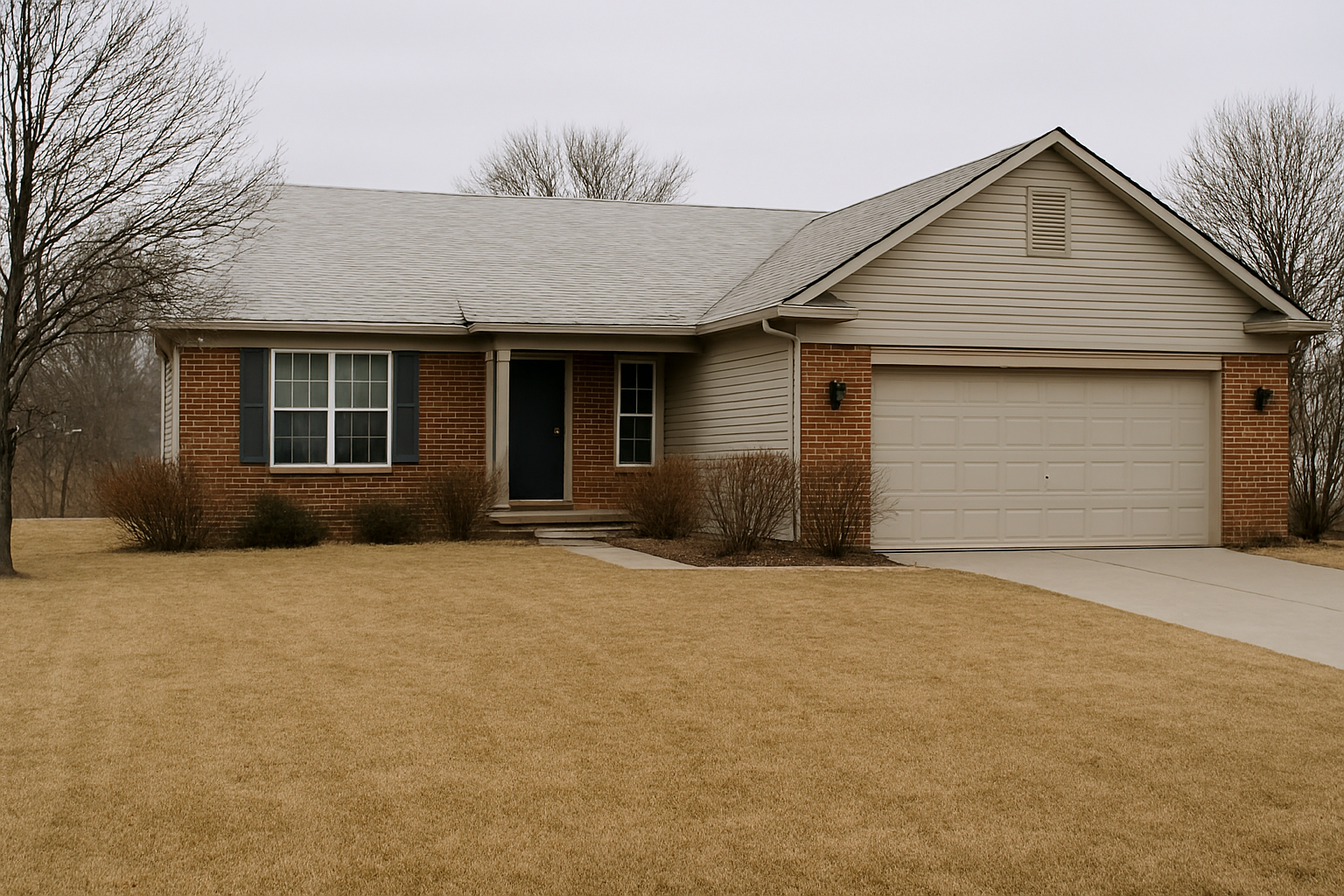
February in Southeast Michigan means snow, frozen ground, and lawns buried under winter's grip. You can't actually fertilize your lawn right now, and you shouldn't try. Applying fertilizer to frozen ground or snow is wasteful, ineffective, and environmentally irresponsible. The nutrients simply wash away during snowmelt instead of feeding your grass.
But here's what smart homeowners understand: the most successful lawn care seasons don't start when the ground thaws in late April. They start right now, with planning, scheduling, and strategy. While your grass sleeps under snow, this is the perfect time to map out your fertilization program, secure your service provider, and position yourself for success when soil temperatures finally reach the ideal 55°F range that signals true application time.
Early fertilization in Michigan means early preparation, not premature application. It means having your plan locked in, your provider scheduled, and your timing dialed so that when late April arrives and conditions are finally right, you're first in line for service during that critical window. Let's explore why February planning creates May success.
1. You Lock In Optimal Application Timing for Pre-Emergents
Here's the harsh reality of crabgrass control in Michigan: the application window is brutally narrow, and if you miss it, you're fighting weeds all summer long. When soil temperatures hit 55°F, which typically happens in Plymouth and Northville between late April and early May, crabgrass seeds begin germinating. Pre-emergent herbicides need to be down before that happens, but not so early that they break down before weed seeds activate.
Michigan State University Extension research confirms what we see every spring: pre-emergent products work best when applied 2-3 weeks before crabgrass germination. That means late April application for most of Southeast Michigan. Miss that window by even a week or two, and thousands of crabgrass seeds have already sprouted beneath your lawn's surface.
The problem? Late April is absolute chaos for every lawn care company in the region. Phones ring constantly, schedules fill completely, and homeowners who waited suddenly face 2-3 week delays for service. By the time their lawn finally gets treated, it's mid-May and the pre-emergent window has closed.
Customers who plan in February get their late April service dates locked in months ahead. When optimal soil conditions arrive, they're scheduled for immediate application while everyone else scrambles for openings. We've watched this pattern repeat for years: lawns serviced during the optimal pre-emergent window in late April show dramatically less weed pressure throughout summer compared to lawns treated in mid-to-late May. Learn more about stopping weeds before they start with proper pre-emergent treatment timing.
2. You Ensure Root Development Gets Priority Over Top Growth
Grass roots begin active growth when soil temperatures reach 40°F, which happens a few weeks before you see visible green-up above ground. Throughout Livonia and Canton, this underground activity typically kicks off in mid-to-late April, depending on spring weather patterns.
This root growth phase is absolutely critical. Your lawn is building its foundation for the entire season, establishing deeper anchor points and creating the infrastructure needed to support thick, healthy turf all summer long. But this process requires balanced nutrition applied at precisely the right time.
Here's where planning matters: a properly designed early-season fertilization program focuses on root development first, top growth second. That means selecting fertilizer formulations with appropriate nitrogen ratios and timing applications to coincide with soil thaw, not calendar dates. Products applied too early on frozen ground can actually harm your lawn by encouraging premature top growth once they finally activate, stealing energy from essential root development.
By working with your lawn care provider in February to design your program, you ensure:
- Correct product selection for root-focused spring nutrition
- Proper application timing matched to actual soil conditions, not arbitrary dates
- Coordinated service that hits your lawn at peak root growth phase
- Better summer performance from stronger underground infrastructure
The most beautiful lawns in June are built on root systems developed in April. But April success requires February planning.
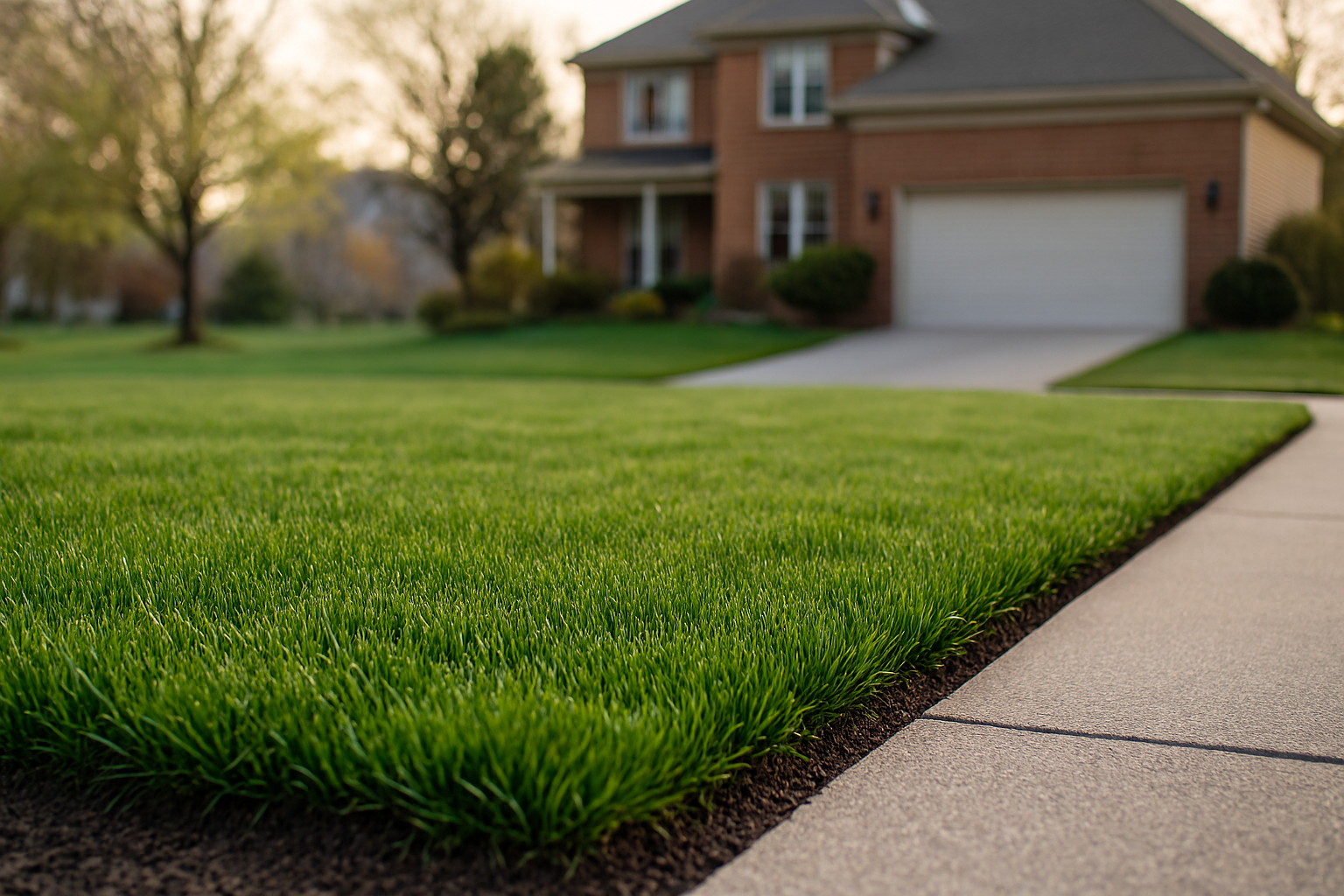
3. You Beat the Spring Rush and Guarantee Service When It Matters
Let's talk about what actually happens in the lawn care industry every spring. From mid-April through May, every company in Southeast Michigan gets absolutely slammed. Service requests that trickled in during winter suddenly become a flood. Phone lines stay jammed, online booking systems fill up, and schedulers work overtime trying to accommodate everyone.
Homeowners who contact providers in April face ugly realities:
- 3-4 week wait times for initial service appointments
- Limited flexibility on service dates and timing
- Rushed communication from overwhelmed customer service teams
- Compromised application timing that misses optimal windows
Meanwhile, customers who planned ahead in February secured prime late-April service slots months earlier. When soil temperatures hit that magic 55°F mark and grass begins active growth, their lawns get treated immediately, at the precise biological moment when fertilization delivers maximum benefit.
We've seen this contrast play out across Novi and Northville neighborhoods. Half the street contacts their lawn care provider in February, locks in late April service, and gets treated during the optimal window. The other half waits until they see neighbors' lawns getting serviced, then scrambles to catch up, finally getting treated in late May after the critical pre-emergent and early root development windows have closed.
By July, you can literally see which homes planned ahead. One side of the street shows thick, uniform grass with minimal weeds. The other displays patchy turf and persistent crabgrass despite homeowner frustration.
4. You Get Time to Customize Your Program for Your Specific Property
Not all lawns are created equal, and cookie-cutter fertilization programs rarely deliver optimal results. Your Canton property might have heavy clay soil that holds moisture and nutrients differently than the sandier soils common in parts of Plymouth. Areas near your driveway likely suffered severe salt damage this winter. That shady section under your maple trees has completely different nutritional needs than your sunny front yard.
Proper fertilization programs account for these variables, but customization requires time, analysis, and thoughtful planning. When you engage your lawn care provider in February, you create space for:
- Detailed property assessment before the spring rush hits
- Soil condition evaluation including pH testing if needed
- Problem area identification such as salt damage zones or persistent thin spots
- Customized product selection matched to your specific turf type and soil conditions
- Strategic application scheduling that addresses your lawn's unique timing needs
Providers contacted in April don't have bandwidth for this level of customization. They're focused on getting as many lawns treated as possible during peak season, which inevitably means more standardized approaches. February conversations happen when providers actually have time to listen, analyze, and design programs tailored to individual properties.
The difference shows in results. Generic programs might improve your lawn 20-30%. Customized programs designed with actual property analysis can improve it 60-70% because they address your specific soil chemistry, drainage patterns, sun exposure, and historical problem areas. Understanding how to recover from winter damage is often part of these customized early-season strategies.
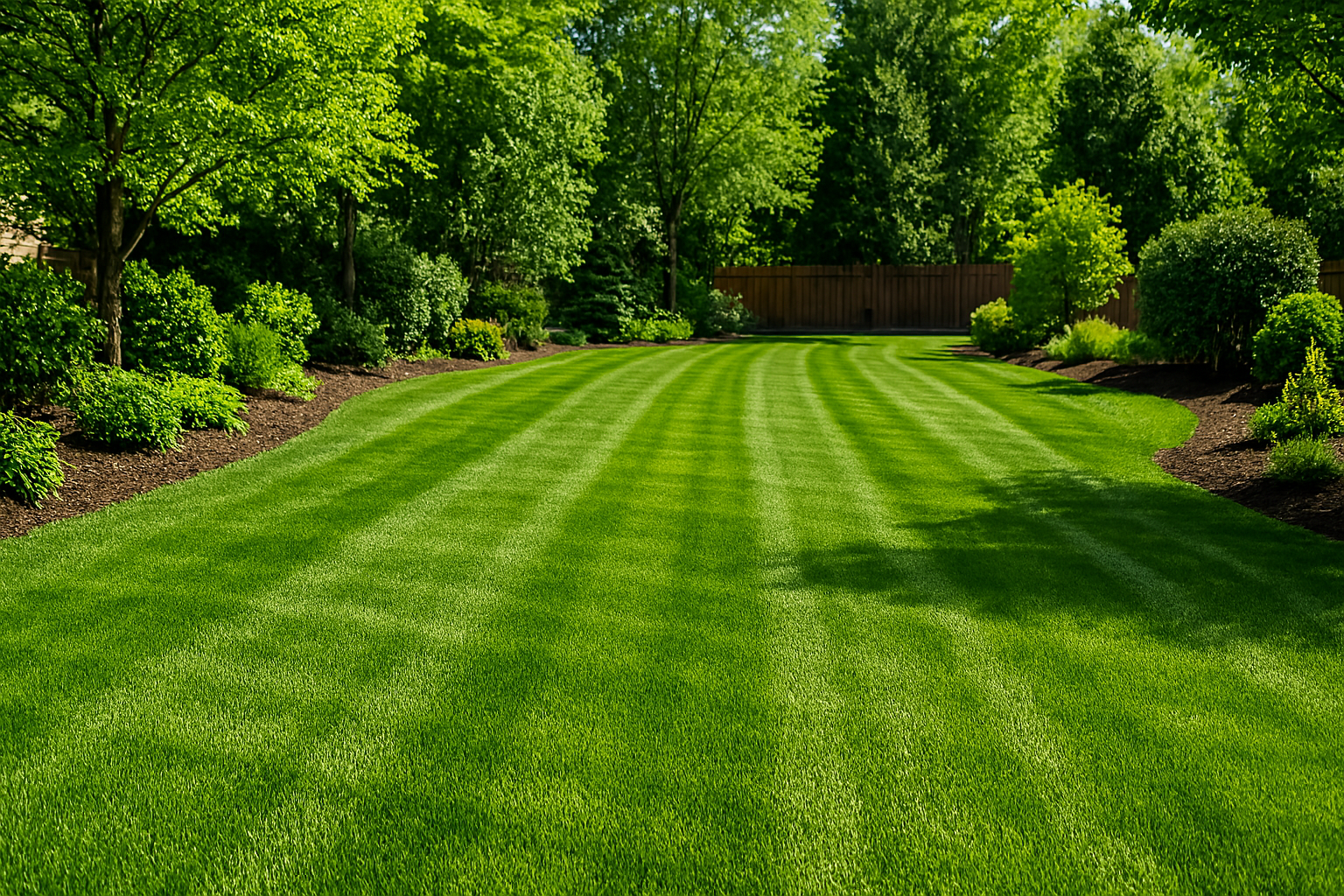
5. You Create a Complete Strategy, Not Just a Single Application
Professional lawn care isn't about one spring fertilization. It's about coordinated programs that build on each other throughout the growing season: early spring root development, late spring thickening, summer stress protection, fall recovery and winterization. Each application serves a specific purpose and sets up the next phase.
Planning in February gives you time to design this complete strategy. You can map out:
- 4-6 application schedule timed to Michigan's growing season
- Integrated pest management coordinating fertilization with grub prevention, surface insect control, and other treatments
- Supplemental services like aeration and overseeding scheduled for optimal timing
- Budget planning spread across the season instead of reactive spending
We consistently see better results from customers who commit to full-season programs versus those who do reactive, single applications. The lawn that gets balanced nutrition in late April, targeted weed control in June, stress protection in July, and recovery support in September simply outperforms the lawn that gets one application and hope.
February planning also creates accountability. When you've mapped your entire season in advance, you're far more likely to follow through consistently rather than skipping applications when life gets busy or budgets get tight. That consistency is often the difference between lawns that truly thrive versus lawns that just survive. Check out our guide on essential lawn care for early spring in Michigan to understand what a complete seasonal strategy looks like.
Planning Your Season While Snow Still Falls
The best lawn care results in Southeast Michigan don't come from rushing to apply products on frozen ground. They come from strategic planning that positions you for perfect execution when conditions are finally right.
Right now, while snow might still cover your Livonia or Northville property, lawn care companies have time for real conversations. We can assess your property's unique challenges, design customized programs, lock in optimal service dates, and ensure you're positioned to hit every critical window when late April and May finally arrive.
When soil temperatures reach 55°F and your grass begins its most important growth phase of the year, you'll be first in line for service while your neighbors are still trying to get someone to return their calls.
Our team of lawn care experts in Canton can design a complete fertilization strategy tailored to your specific property conditions, soil type, and lawn care goals. Call us at 734-600-9161 to start planning your season before spring chaos hits and service slots disappear.
The best lawns in Michigan aren't built in May. They're planned in February.