
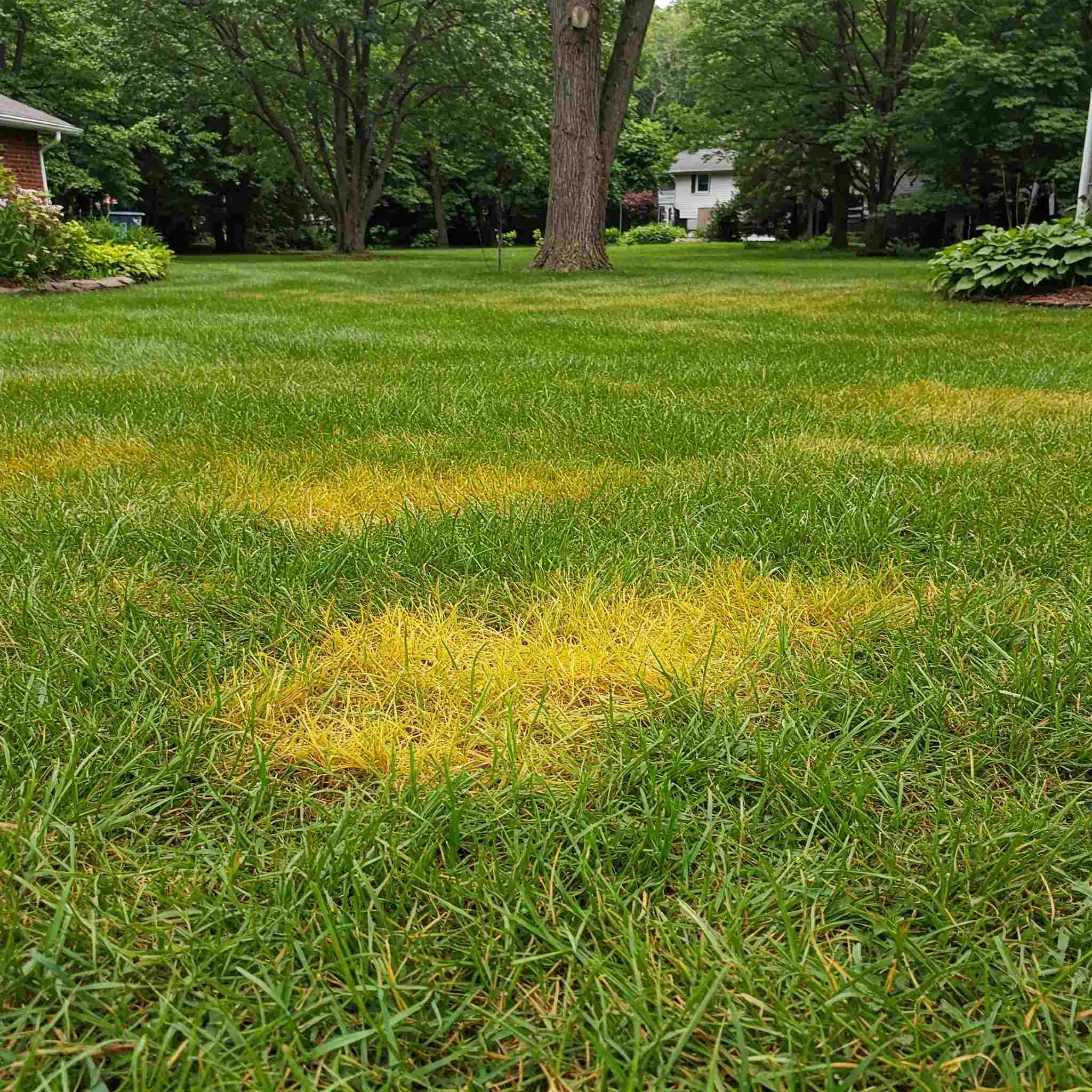
A healthy, green lawn is one of the first signs that summer is just around the corner. But if you’ve noticed that Your Lawn Is Turning Yellow, you're not alone. Many homeowners in Livonia, MI, and surrounding areas deal with yellowing lawns this time of year. It’s a frustrating problem, especially when you’ve been keeping up with regular lawn care.
Understanding why your lawn is turning yellow is the first step to getting things back on track. From nutrient deficiencies to pest issues and overwatering, there are several reasons your grass could be losing its vibrant color. In this article, we’ll break down the most common causes and offer practical solutions that work well for Michigan yards—so you can restore that healthy green glow before summer hits.
Common Causes of Yellowing Grass in Michigan Yards
A yellow lawn isn’t just an eyesore—it’s a signal that something’s off beneath the surface. Pinpointing the cause helps you apply the right fix instead of guessing. Understanding these issues is a crucial part of effective lawn care, especially during seasonal transitions in Michigan. Here are some of the most common culprits that could be affecting your turf:
Nutrient Deficiencies
Your grass needs a balanced diet, just like any plant. Lack of nitrogen is the usual suspect when you see yellowing blades, especially in older parts of the lawn. Without enough nitrogen, grass can't produce the chlorophyll it needs to stay green and healthy.
Overwatering or Poor Drainage
Too much water can drown your roots and strip away vital nutrients. It also creates conditions where lawn diseases thrive. If your yard stays soggy for hours after a rain or watering, poor drainage could be the issue.
Pest and Insect Damage
Surface insects like chinch bugs and grubs feed on grass roots, which can cause large patches of yellow or brown turf. These pests are common in Livonia, MI, especially as temperatures begin to warm.
Pet Urine or Foot Traffic
Frequent pet activity or heavy foot traffic can compact the soil, restricting air and nutrient flow to the roots. This results in thinning and yellowing patches that often look like random dead spots.
Lawn Fungus or Disease
Michigan’s mix of rain and humidity during this season can set the stage for turf diseases like dollar spot or rust. These typically start as small yellow patches and spread quickly if left untreated.
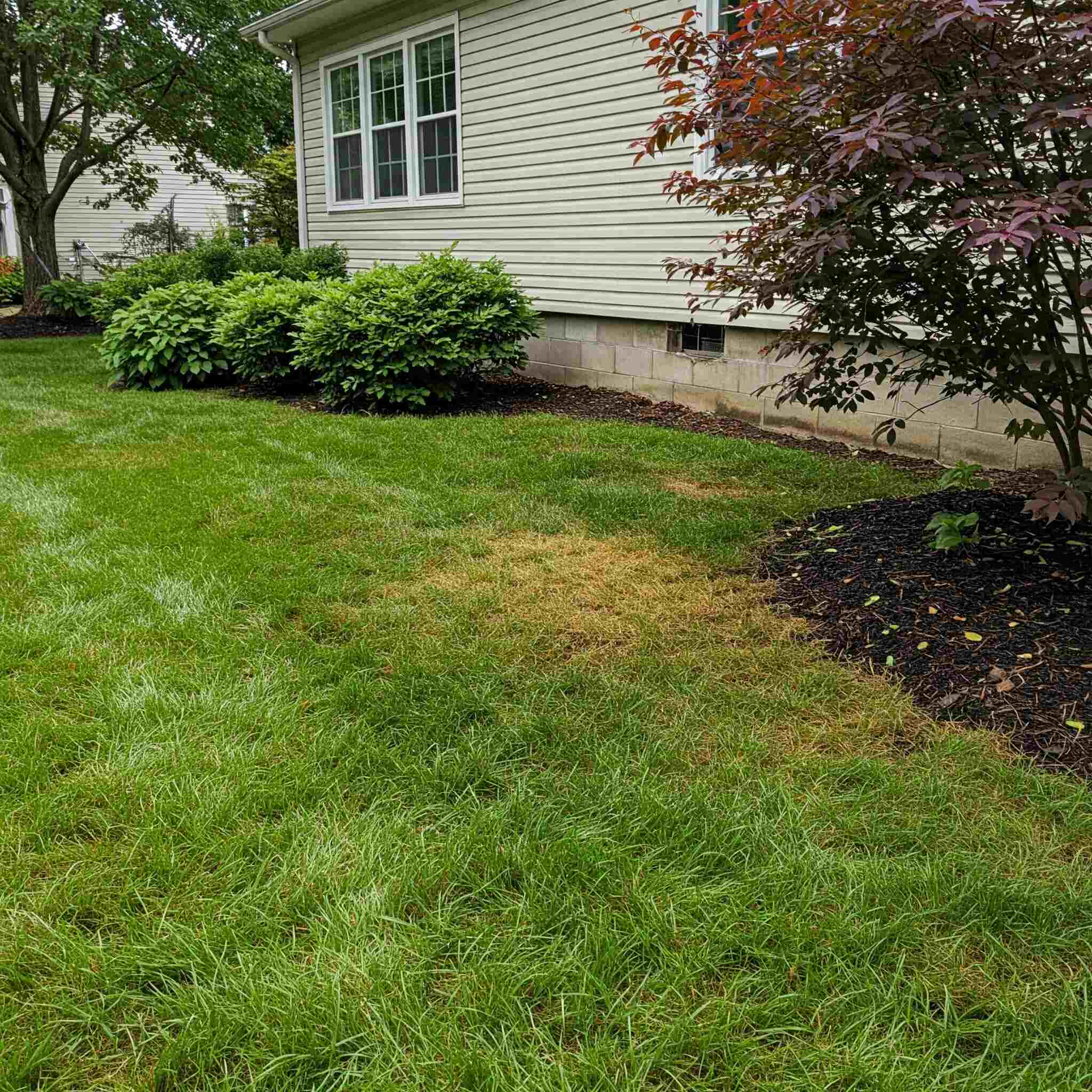
How to Bring a Yellow Lawn Back to Life
Once you've narrowed down the cause, the right fix can make a big difference. Michigan lawns respond well to targeted solutions, especially when paired with consistent lawn care practices tailored to the region.
Apply the Right Fertilizer
If your lawn is hungry for nitrogen, a balanced fertilizer can restore its green color quickly. Opt for a slow-release formula that feeds the grass gradually. Professional lawn care services can test your soil and choose a blend that fits your yard’s specific needs.
Improve Watering Habits
Watering too often or at the wrong time of day can harm your lawn more than help it. Early morning is best—deep and infrequent watering encourages stronger roots. If you suspect drainage issues, consider aeration or leveling out low spots.
Use Insecticide Treatments When Needed
If pests like grubs or chinch bugs are to blame, targeted insecticide treatments can stop the damage before it spreads. Timing is key—treating early can prevent large patches from dying off.
Relieve Soil Compaction
For areas affected by heavy traffic or pets, core aeration helps loosen compacted soil. This allows nutrients, air, and water to reach the roots more effectively. Overseeding afterward fills in any thin or patchy spots.
Treat Lawn Fungus Promptly
Fungal diseases can take hold quickly in late spring. Fungicides can be applied, but only after confirming the issue. You’ll also want to avoid watering in the evening, which creates a moist environment that fungus loves.
Why Professional Lawn Care Makes the Difference
Even with the best DIY effort, some lawn issues require a trained eye and the right tools. Here’s how professional services can step in and help you stay ahead of yellowing grass:
- Accurate diagnosis. A lawn care expert can quickly identify whether the issue is due to pests, nutrient problems, or disease—saving time and money on trial-and-error fixes.
- Customized fertilization programs. Instead of guessing what your lawn needs, professionals test your soil and apply the right nutrients at the right time.
- Timely insecticide and disease control. Experts know the exact window when pest and fungus treatments are most effective, especially during transitional months like late spring in Michigan.
- Advanced equipment. Services like core aeration, overseeding, and slit seeding are done with precision tools that provide better results than most consumer equipment.
- Long-term lawn health planning. Ongoing lawn care programs include scheduled treatments and monitoring to prevent yellowing and other seasonal problems before they start.
Getting your lawn back to full health is easier when you’ve got support from people who know how to work with local soil, weather patterns, and growing conditions specific to Livonia, MI.
Don’t Let a Yellow Lawn Take Over
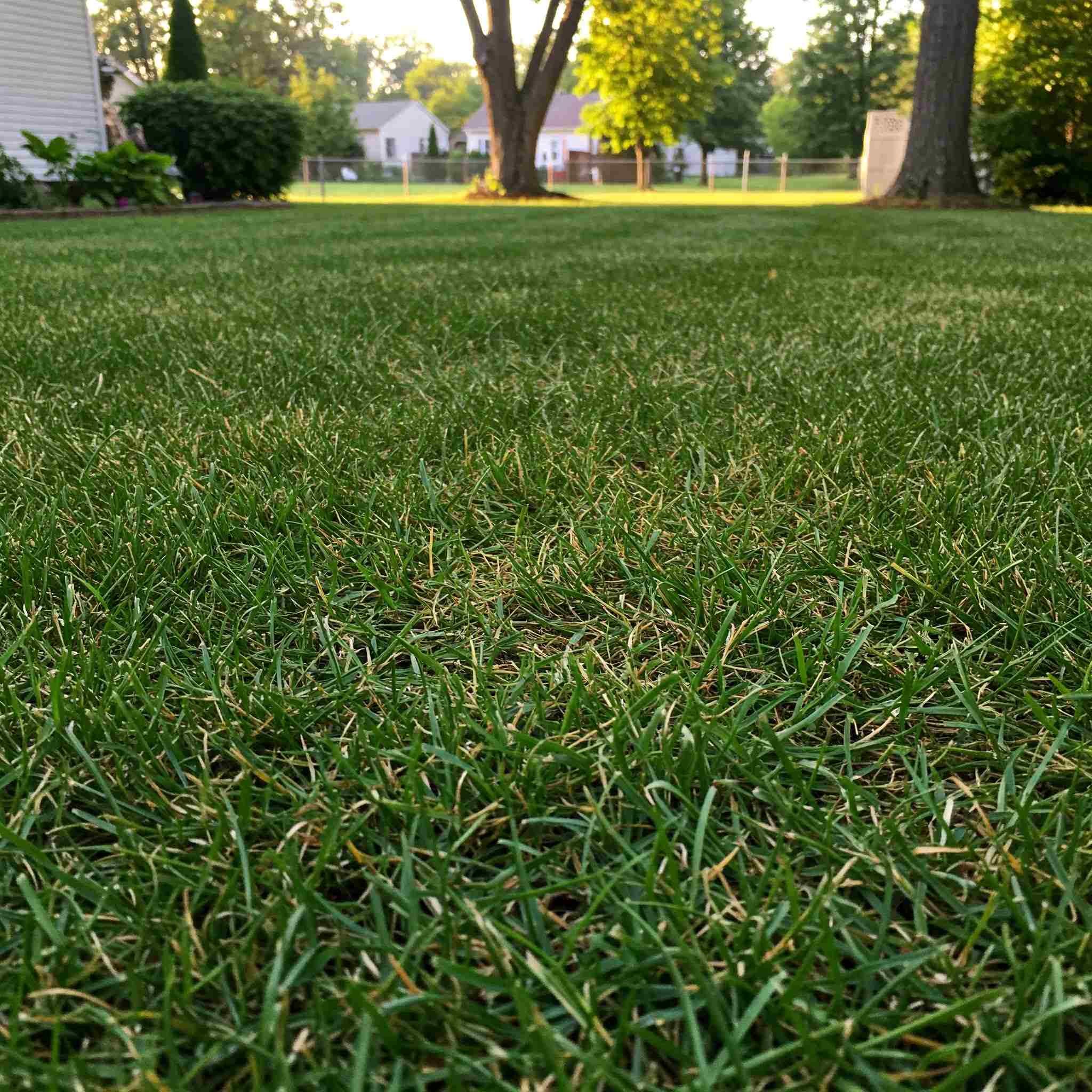
Yellowing grass is more than just a cosmetic issue—it’s a sign your lawn is struggling. Whether it’s pests, compacted soil, or a lack of nutrients, the sooner you take action, the better your results will be. With the right strategy and some consistent lawn care, even the most stressed-out turf can bounce back just in time for summer.
If you’re not sure where to start, the team at Independent Lawn Service is here to help. We offer professional lawn care and pest control services across Livonia, MI, and surrounding areas, all designed to restore and maintain healthy, green lawns.
Ready to get started? Fill out the contact form or give us a call at (734) 600-9161 to schedule a free lawn evaluation. Your yard deserves expert attention—and we’re here to deliver.