
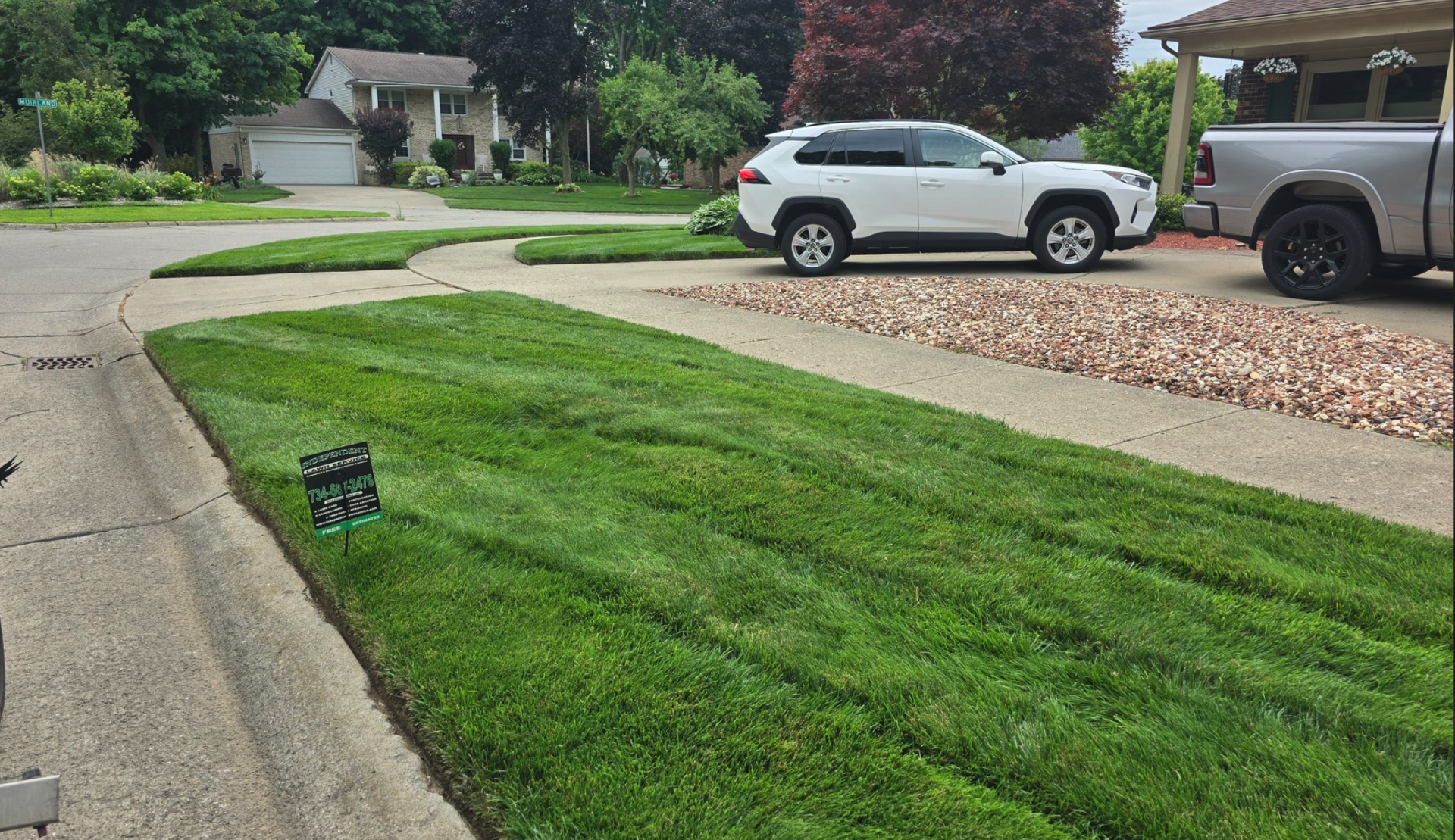
November arrives with shorter days and that familiar tug of worry. Your lawn looks tired after months of summer play, those stubborn weeds are still hanging on, and you're wondering if you missed your window to do something about it. Meanwhile, your dog still needs their daily backyard time, and you're not about to compromise their safety for a greener lawn.
Here's the truth that might surprise you. Late fall is actually one of the smartest times to invest in lawn care, and yes, you can absolutely find a safe pet-friendly lawn fertilization and weed control service that works even in November. You haven't missed your chance. In fact, treating your lawn now can set you up for the healthiest spring you've seen in years, all while keeping your furry family members safe.
Why November Works for Your Southeast Michigan Lawn
The conventional wisdom about lawn care timing doesn't always tell the whole story. While spring gets all the attention, late fall fertilization offers distinct advantages that many Michigan homeowners overlook.
When temperatures drop and grass blades stop growing, something important continues happening underground. Root systems remain active well into November, soaking up nutrients and building energy reserves for winter dormancy. This makes late fall an ideal window for fertilization because those nutrients go exactly where they're needed most, strengthening your lawn at its foundation rather than just pushing rapid top growth.
For lawns in Livonia, Plymouth, Canton, and surrounding communities, this timing works particularly well with our regional climate. Michigan's freeze-thaw cycles can stress turf, but a well-nourished root system handles that stress more effectively.
Understanding Pet-Safe Lawn Treatments
Let's address the biggest concern head-on. You've probably read conflicting information online about lawn chemicals and pet safety, leaving you uncertain about what's actually safe and what's marketing spin.
The reality is that professional-grade, pet-friendly products exist and work effectively. Here's what makes a treatment genuinely safe.
Modern lawn care has evolved significantly beyond the harsh chemicals of decades past. Today's formulations can target weeds and nourish grass while maintaining low toxicity profiles for pets. Professional services that prioritize safety typically use products with naturally derived ingredients or low-impact synthetic options that break down quickly in soil.
Safety isn't just about the product itself. It's about when and how it's applied. In November, cooler temperatures and typically calmer weather conditions actually work in your favor. Products dry and absorb more predictably, and your pets aren't spending as many hours outdoors as they would in July.
A trustworthy safe pet-friendly lawn fertilization and weed control service will always provide clear guidance about re-entry times. Most modern applications allow pets back on treated areas within a few hours once the product has dried, though specific timing varies by product type.

What Late Fall Treatment Actually Accomplishes
Understanding what you're investing in makes the decision easier. Late fall lawn care isn't just about cosmetic improvements. It's strategic preparation that pays dividends for months.
Cool-season grasses common to Michigan lawns respond beautifully to late-season feeding. They store nutrients in their root systems and crowns, then draw on those reserves when they break dormancy in spring. This means faster green-up, better drought tolerance, and improved overall vigor when growing season returns.
Those persistent weeds in your lawn aren't just unsightly. They're competition. Late fall applications can target existing weeds while they're still vulnerable and apply pre-emergent barriers that prevent spring germination. This dual approach means fewer headaches next year. Learn more about effective weed control strategies for Michigan lawns.
Michigan's damp fall weather creates ideal conditions for lawn diseases like snow mold. Proper fertilization helps turf maintain the cellular strength to resist these pathogens through winter stress.
What Professional Service Looks Like in Late Fall
If you're considering professional help for the first time, or switching providers, knowing what to expect helps you evaluate your options.
A thorough late fall service typically begins with lawn assessment. Different areas of your property may have different needs. Based on that assessment, a customized treatment plan addresses your specific challenges.
This might include several components working together for best results:
- Slow-release nitrogen fertilizer to support root development through winter
- Targeted broadleaf weed control for persistent dandelions or clover
- Winterizing potassium boost to improve cold tolerance
- Pre-emergent barriers to prevent spring weed germination
For homes with pets, professionals should walk you through the products being used and provide clear safety information. Professional lawn fertilization services combined with targeted weed control offer comprehensive solutions that busy homeowners appreciate.
The Michigan Timing Advantage
Our regional climate creates a specific window of opportunity that smart homeowners leverage. While the calendar says November, grass roots remain active as long as soil temperatures stay above 40°F, which in Southeast Michigan typically extends into mid-to-late November most years.
This extended growing season at the root level means your investment in fertilization continues paying returns even as surface growth stops. Meanwhile, weed control applied now catches winter annuals before they establish and provides a barrier against spring germination.
The trick is acting before the ground freezes solid. Once soil temperatures consistently dip below freezing, nutrient uptake stops and application effectiveness drops significantly.
Beyond Fertilization and Weeds
While fertilization and weed control form the foundation of late fall lawn care, complete property health requires a broader view.
Compacted soil prevents water, air, and nutrients from reaching roots effectively. This is especially common in high-traffic areas or clay-heavy soils typical of Southeast Michigan. Liquid aeration products can loosen soil structure without the mess and recovery time of mechanical core aeration.
Your trees and shrubs enter dormancy too, and late fall offers an excellent window for deep root fertilization. Established trees and shrubs benefit from slow-release nutrients applied before winter, particularly if they've shown signs of stress during the growing season. Professional tree and shrub fertilization ensures woody plants enter winter in optimal condition.
While you won't overseed now, November is perfect for planning spring improvements. If your lawn has thin areas or you want to introduce more drought-tolerant grass varieties, make note of those spots now.
Taking Action Before Winter Settles In
Your lawn doesn't need perfection right now. It needs strategic support that sets up spring success. The stress of feeling behind schedule often keeps homeowners from taking any action at all, which guarantees the problem persists into next year.
Professional safe pet-friendly lawn fertilization and weed control service bridges the gap between your busy schedule and your desire for a healthy, attractive property. You're not choosing between pet safety and lawn health. Quality providers deliver both, using tested products and proven timing that respects both your grass and your family.
Independent Lawn Service has spent nearly three decades helping Southeast Michigan homeowners navigate exactly these decisions. Their team understands that your pets are family, your time is valuable, and your expectations are reasonable. One call to 734-600-9161 connects you with local experts who can assess your specific situation, recommend appropriate treatments, and schedule service before November's window closes.