

As temperatures rise and lawns begin to green up, Michigan homeowners often find their yards under attack. Spring is when many common lawn pests emerge—some are just starting their life cycles, while others are already damaging turf just below the surface. This makes pest control tips part of lawn care heading into early summer.
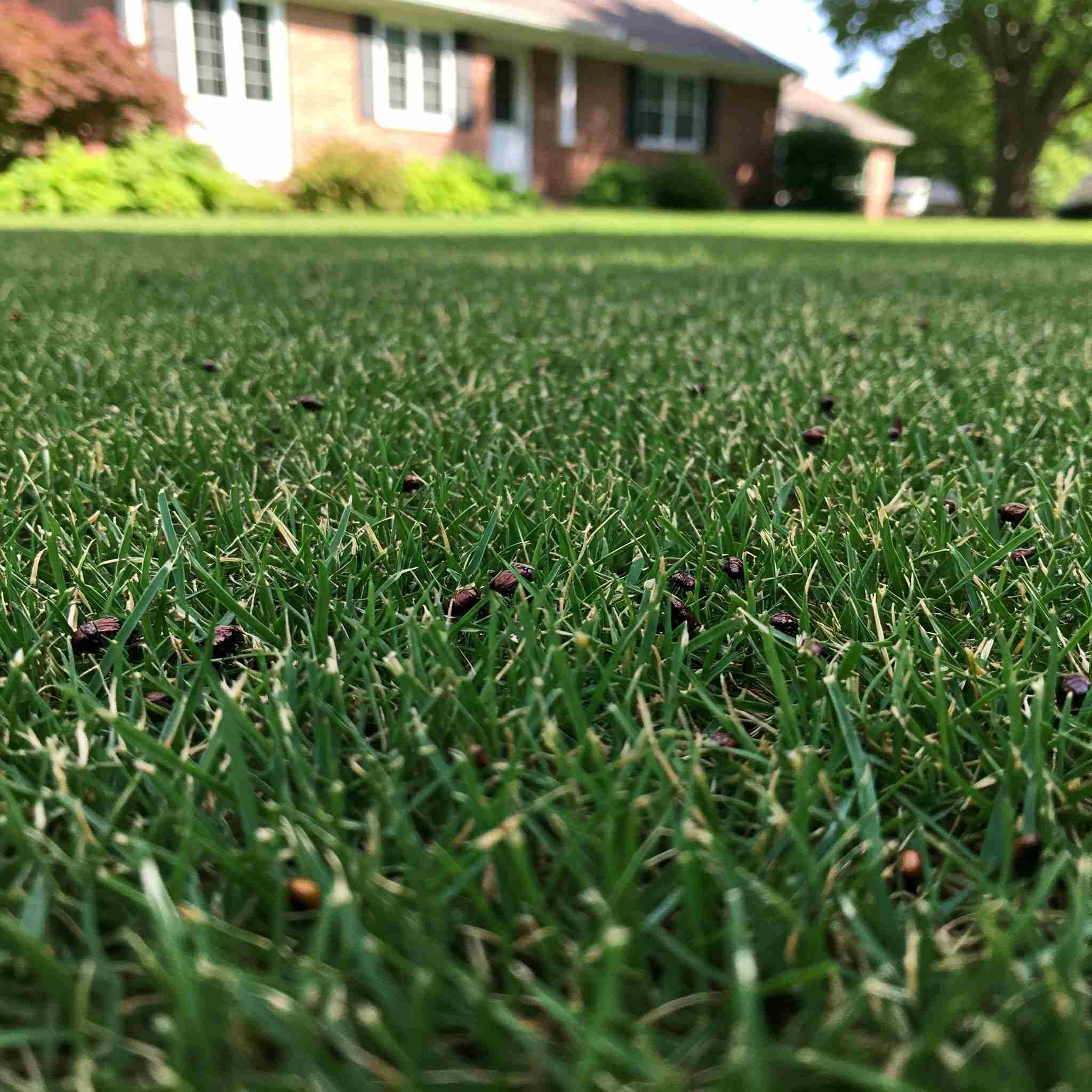
In Plymouth, MI and the surrounding region, pests like grubs, chinch bugs, and sod webworms are especially active during this transition from spring to summer. Knowing what signs to look for and acting early with the right treatment can help you avoid dead patches, thinning grass, and wasted effort on lawn repairs later in the season.
Common Lawn Pests in Michigan Lawns
Michigan lawns face several insect threats each spring, but a few pests stand out for the damage they cause early in the season. Knowing what to look for can help homeowners take action before things get out of hand.
Here are the top spring lawn pests to watch for in Plymouth, MI:
Grubs
Grubs are the larvae of beetles and one of the most destructive lawn pests in the state. They feed on grassroots just below the surface, causing patches of grass to brown and peel up like carpet. You might also notice increased bird or mole activity, as they dig for the grubs.
Chinch Bugs
These tiny pests are hard to spot but can do big damage. Chinch bugs suck the juices from grass blades, leaving behind dry, yellow, or reddish-brown patches that often look like drought stress. They're most active in sunny areas with compacted soil.
Sod Webworms
Sod webworms are the larvae of lawn moths. They chew grass blades and create small brown patches, often with visible webbing or silk tunnels at the base of the turf. Damage usually begins in May and worsens as they mature through early summer.
Other Common Pests
Several other insects can weaken turf health or become a nuisance as the weather warms up. These include:
- Armyworms: Known for quickly devouring grass in large patches.
- Cutworms: Feed at night, cutting off grass blades near the soil line.
- Billbugs: Their larvae tunnel inside grass stems, causing yellowing and dieback.
- Ants: Not always harmful to turf, but mounds can disrupt lawn appearance and mowing.
- Sod mites: Tiny pests that can lead to a dry, scorched appearance in turfgrass.
Each of these pests thrives under different conditions, but they all become more aggressive as soil temperatures warm up. Proper lawn care combined with targeted pest control treatments can prevent them from ruining your yard.
What Causes Lawn Pest Problems in Michigan
Some lawns in Michigan seem to get hit harder by pests year after year. While part of that comes down to timing and treatment, environmental conditions also play a big role in how and why infestations begin. Homeowners should watch for the following factors that can increase the need for pest control:
- Thick thatch buildup: When thatch layers become too thick, they create a warm, moist environment where insects thrive. This is especially attractive to chinch bugs and sod webworms.
- Compacted soil: Lawns with poor drainage and hard soil make it tough for grass roots to grow deep and healthy. Weak turf is more vulnerable to grub and insect damage.
- Overwatering or underwatering: Both extremes can stress your lawn, making it easier for pests to move in. Consistently damp conditions are perfect for pests like sod webworms to settle in.
- Poor mowing practices: Mowing too short can weaken your lawn and expose it to surface-feeding insects. Letting grass grow too long can also hide signs of early pest activity.
- Lack of regular treatments: Skipping seasonal applications of surface insecticide or pre-emergent control leaves lawns wide open to infestation. Preventive pest control done at the right time helps protect your lawn before damage becomes visible.
Staying ahead of these factors, combined with consistent lawn care and smart pest control, can keep lawns healthy through the transition to summer.
Timing and Treatment – When to Act for Best Results
Insect problems in Michigan lawns don’t wait until summer hits full swing. By the time you see dead patches or thinning turf, damage has already begun. The key to effective pest control is acting at the right time—before pests establish themselves.
Here’s how to stay ahead of the problem:
- Start early with inspections: Walk your lawn in May and look for thinning spots, browning areas, or increased bird activity. Early signs of grub or chinch bug activity often go unnoticed until they spread.
- Apply surface insecticide strategically: The best time to apply surface insecticides is when pest activity is just beginning—usually mid to late May for chinch bugs and sod webworms. Timing can vary based on weather, so local monitoring helps.
- Use grub preventers in late spring: Grub control is most effective when applied before eggs hatch. Preventive treatments in late May to early June give your lawn a strong head start.
- Water after treatment: Light watering after applying insecticides helps move the product into the soil where pests are active. This step boosts effectiveness.
- Don’t skip follow-up care: Even with good timing, a single treatment might not cover the full pest cycle. Follow-up treatments and continued pest control practices help keep insects in check into early summer.
Knowing when to act is just as important as knowing how. With the right timing, pest damage can be controlled—or avoided altogether.

Protect Your Lawn from Pests Before Summer Hits
Michigan lawns are resilient, but they can’t defend themselves from pests without a little help. From grubs chewing through roots to chinch bugs drying out patches of turf, the damage adds up quickly once spring pests become active. Staying ahead with proper timing, surface insecticide treatments, and smart lawn care practices can make all the difference.
If you’re seeing signs of lawn insects or just want peace of mind heading into summer, it’s a good time to talk to a local expert. Independent Lawn Service provides professional pest control and lawn treatments tailored to the specific conditions here in Plymouth, MI and nearby communities.
You can reach us at (734) 600-9161 or fill out our contact form to request a quote or schedule service. Don’t wait until the damage is done—early pest control is the best defense for a healthy, summer-ready lawn.