
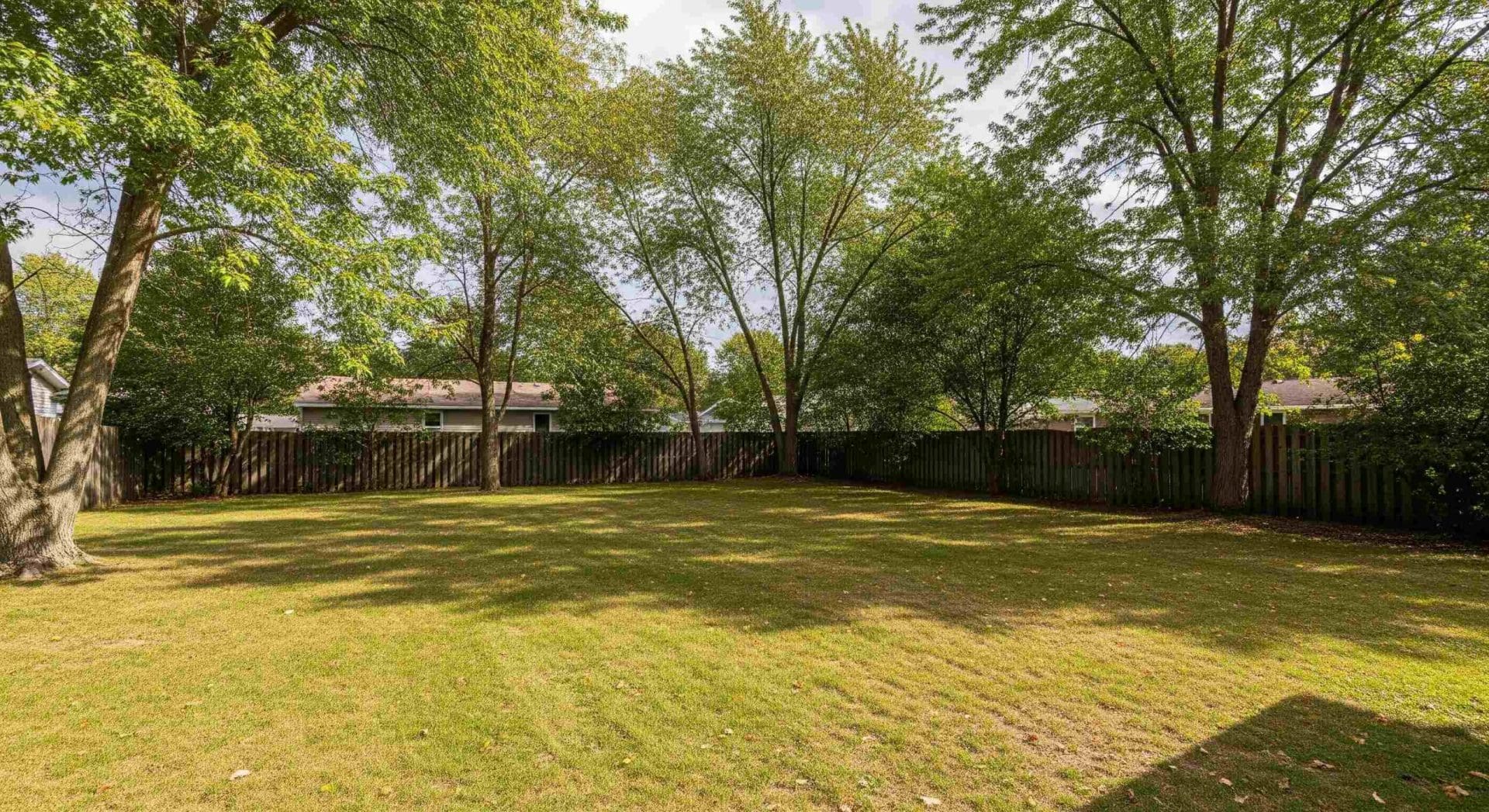
August in Southeast Michigan reveals lawns showing the battle scars of another intense summer. Brown patches dot once-green expanses, bare spots multiply, and that thick carpet of grass you admired in spring now looks threadbare. If you're wondering how often to aerate and overseed lawn areas to restore that healthy appearance, you're asking the right question at the right time.
Summer stress from heat, drought, foot traffic, and pest activity leaves Michigan lawns crying out for recovery. The good news? Late summer presents the perfect window for giving your grass the reset it desperately needs through strategic professional aeration and expert overseeding services.
Why Late Summer Is Michigan's Sweet Spot for Lawn Revival
The timing couldn't be more ideal across communities from Livonia to Canton and beyond. August offers the perfect storm of conditions that make lawn recovery efforts incredibly successful. Soil temperatures remain warm enough to encourage rapid seed germination, while cooler nighttime temperatures reduce stress on both existing grass and new seedlings.
Michigan's climate patterns also work in your favor during late summer. Morning dew provides natural moisture, and the approaching fall season means less competition from weeds that thrive in peak summer heat. Your grass essentially gets a head start before winter dormancy, establishing strong root systems that will emerge healthier next spring.
Understanding Summer Damage to Your Lawn
Before diving into recovery strategies, it helps to recognize what that summer stress actually did to your turf. Heat stress causes grass plants to shut down growth and focus solely on survival. Compacted soil from foot traffic, outdoor gatherings, and equipment prevents proper water and nutrient absorption. Grub damage creates brown, spongy areas that feel like loose carpet when you walk across them.
These conditions create a domino effect. Weak, stressed grass becomes vulnerable to disease. Bare spots invite weeds. Compacted soil prevents even the healthiest grass from accessing what it needs to thrive. Without intervention, these problems compound each year, leaving you with an increasingly challenging lawn care situation. For more insights on addressing these issues, read about the specific benefits of lawn aeration in Michigan.
How Often to Aerate and Overseed Lawn Areas in Southeast Michigan
The frequency question depends largely on your specific lawn conditions and soil type. Most established lawns in the region benefit from aeration every 1-2 years, with overseeding typically needed annually in high-traffic areas.
For Clay-Heavy Soils (Common in Plymouth and Novi Areas):
- Aerate annually due to increased compaction tendency
- Overseed thin areas every fall
- Consider spot overseeding in spring for problem areas
For Sandy or Loam Soils:
- Aerate every 2 years unless heavy foot traffic demands annual treatment
- Overseed every 2-3 years for maintenance, annually for recovery
High-Traffic Lawns:
- Annual aeration regardless of soil type
- Annual overseeding in worn areas
- Mid-season spot treatments as needed

Why Fall Growth Patterns Create Better Results
Timing matters more than most homeowners realize. Cool-season grasses like Kentucky bluegrass, tall fescue, and perennial ryegrass thrive throughout Northville and surrounding areas. These varieties have two peak growing periods. Spring growth is robust but brief, while fall growth extends longer and builds stronger root systems.
When you aerate and overseed in late August or early September, new seeds have 6-8 weeks of optimal growing conditions before winter. This extended establishment period creates drought-resistant, dense turf that outcompetes weeds naturally come spring.
Temperature patterns also work in your favor. Soil temperatures in the 60-75°F range promote faster germination, while cooler air temperatures reduce evaporation and stress on tender seedlings.
What to Expect During Your Lawn's Recovery Timeline
Understanding the timeline helps manage expectations and ensures you don't inadvertently disrupt the recovery process.
Week 1-2: Aeration holes remain visible while soil begins settling. Avoid heavy foot traffic.
Week 2-3: First signs of seed germination appear as tiny green shoots. Light watering becomes critical.
Week 4-6: New grass fills in noticeably. Areas begin looking fuller and greener.
Week 6-8: New grass establishes root systems. Your lawn starts handling normal activity again.
Month 3: Full integration between existing and new grass creates uniform appearance.
Complete Recovery Strategies Beyond Basic Timing
Successful lawn recovery extends beyond just aeration and overseeding. Your grass needs comprehensive support to bounce back from summer stress and establish long-term health.
Pre-Treatment Soil Assessment Understanding your soil's pH, nutrient levels, and organic matter content guides effective recovery. Most Southeast Michigan soils benefit from lime applications to correct acidity, while organic matter improvements enhance water retention and nutrient availability.
Late Summer Fertilization Late summer fertilization provides essential nutrients for both existing grass recovery and new seed establishment. A balanced approach focuses on phosphorus for root development and potassium for winter hardiness, while avoiding excessive nitrogen that promotes soft growth vulnerable to disease. Learn more about professional fertilization programs that support recovery efforts.
Weed Control Considerations Pre-emergent crabgrass treatments become crucial for next year's success, typically applied in early spring. However, post-emergent broadleaf weed control in fall helps reduce competition for recovering grass areas.
Professional Services vs DIY Lawn Recovery
Equipment requirements alone make many homeowners consider professional services. Core aerators weigh several hundred pounds and require truck delivery. Overseeding requires specialized spreader settings and seed-to-soil contact techniques that significantly impact success rates.
Time investment presents another consideration. Proper aeration and overseeding typically requires 6-8 hours for average-sized lawns, plus ongoing watering and monitoring for 6-8 weeks. Professional services complete the work efficiently while providing expertise that maximizes results.
Long-Term Lawn Health Strategies That Maximize Your Investment
Recovery efforts work best as part of an integrated lawn health approach. Regular fertilization schedules, proper mowing heights, and proactive pest control create conditions where aeration and overseeding deliver lasting results.
Optimal Mowing Practices Maintaining grass height at 3-4 inches reduces stress and promotes deeper root development. Sharp blades prevent tearing that creates entry points for disease. Never remove more than one-third of grass height in a single mowing.
Fertilization Frequency Most Southeast Michigan lawns benefit from 3-4 fertilizer applications annually: early spring for green-up, late spring for sustained growth, late summer for recovery, and fall for root development and winter preparation.
Watering Wisdom Deep, infrequent watering encourages deeper root systems more resistant to drought stress. Watering before or after fertilizer applications depends on specific product requirements, but generally, light watering helps activate granular fertilizers without washing them away.
Tree and Shrub Considerations
Your lawn doesn't exist in isolation. Tree and shrub health directly impacts grass performance through root competition, shade patterns, and nutrient cycling. Proper tree and shrub fertilization and pest control create conditions where your lawn recovery efforts achieve maximum success.
Mature trees often create challenging growing conditions through root competition and shade. These areas may require specialized grass seed varieties or alternative landscaping approaches for long-term success.
Avoiding Common Recovery Pitfalls
Even well-intentioned homeowners make mistakes that undermine recovery efforts. Heavy foot traffic during establishment periods compacts soil and damages tender seedlings. Overwatering creates fungal problems, while underwatering prevents proper germination.
Timing mistakes prove equally problematic. Starting too late in fall doesn't provide adequate establishment time before winter. Starting too early subjects new seedlings to late-summer heat stress that can be fatal.
Short-Term Investment for Long-Term Lawn Benefits
Quality lawn recovery requires upfront investment but reduces maintenance needs, improves property values, and enhances outdoor use. Dense, healthy grass naturally crowds out weeds, reducing herbicide needs. Strong root systems better withstand drought, reducing irrigation requirements.
Professional services often prove more cost-effective than DIY attempts when you factor in equipment rental, seed costs, potential re-seeding needs, and time investment. Experienced technicians also identify underlying issues like grub damage, fungal problems, or soil deficiencies that could undermine recovery efforts. Independent Lawn Service's experienced team brings nearly three decades of expertise to ensure your recovery investment delivers lasting results.
Your lawn has endured another challenging summer, but proper timing and technique can transform stress signals into improvement opportunities. Understanding how often to aerate and overseed lawn areas based on your specific conditions creates healthier, more resilient turf. Late August through early September offers the optimal window for recovery.
Contact Independent Lawn Service at 734-600-9161 to discuss a customized aeration and overseeding plan.