
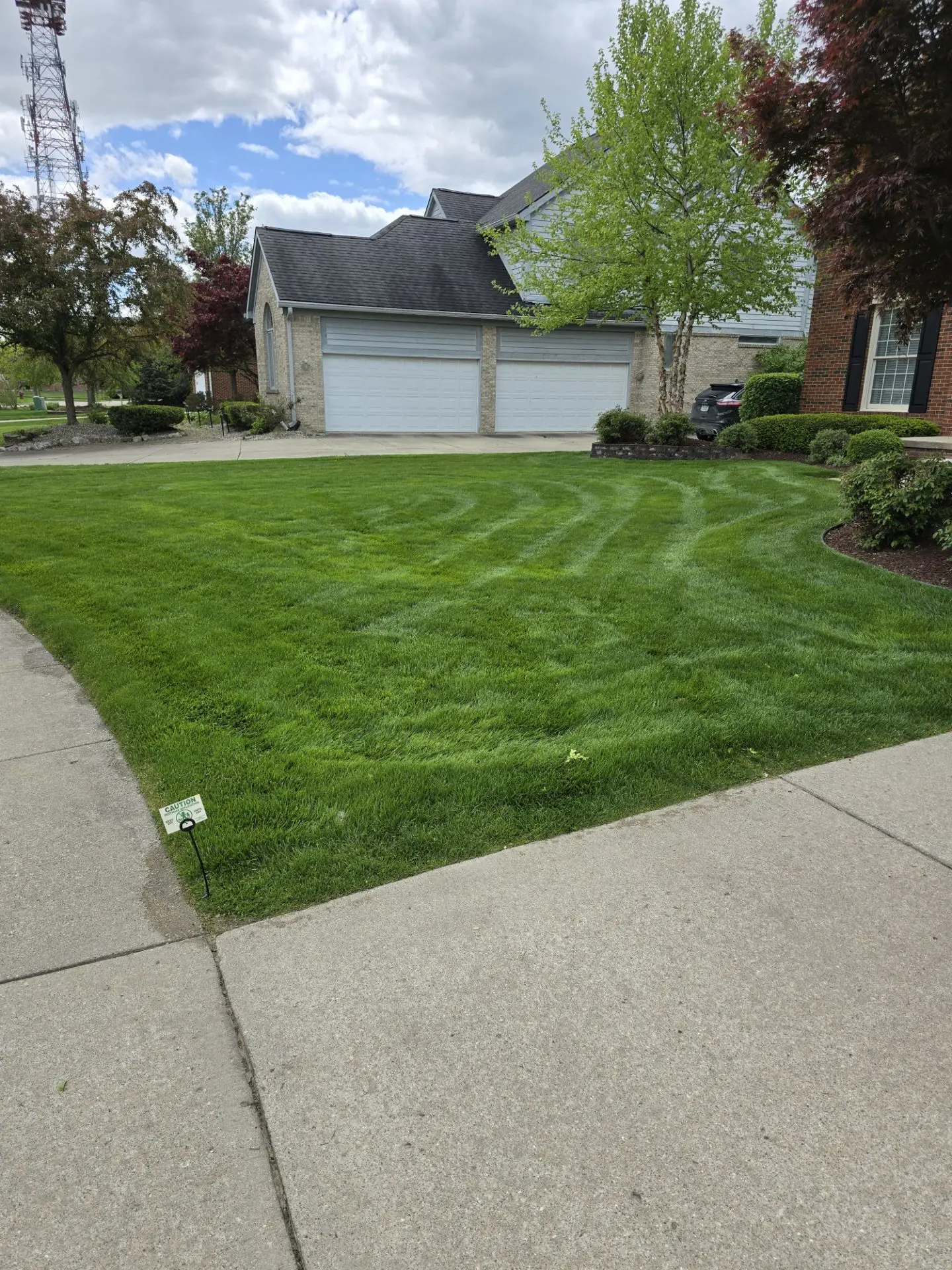
Fall in Southeast Michigan means more than just apple cider and pumpkin patches. While your neighbors focus on Halloween decorations, there's a critical window closing fast that determines whether your lawn emerges lush and green next spring or patchy, diseased, and overrun with weeds.
If you're like most busy families in Canton, Livonia, and surrounding areas, you barely have time to rake leaves, let alone master fall lawn care science. But here's the truth: the work you do (or skip) right now will either save you hundreds of dollars next year or cost you dearly.
This Michigan fall lawn care checklist breaks down exactly what your lawn needs, why timing matters, and how to protect your investment before the first snowfall. Whether you tackle these tasks yourself or partner with professionals, understanding this checklist is the first step toward a healthier, more resilient lawn that your family can enjoy for years to come.
Why Fall Matters for Michigan Lawns
Michigan's climate creates a unique opportunity each fall. As temperatures cool into the 50s and 60s, your grass enters a second growth phase. Roots push deeper while top growth slows. This natural cycle makes fall the single most important season for lawn recovery and preparation.
Your cool-season grasses are biologically programmed to thrive in fall. They're storing nutrients, repairing summer stress damage, and establishing roots that will sustain them through harsh winters. But this window closes when soil temperatures drop below 50°F, typically by early November in metro Detroit areas.
Miss this window, and you're stuck waiting until May. By then, you're playing defense against crabgrass, dandelions, and all the damage winter inflicted on an unprepared lawn. Spring becomes a costly game of catch-up rather than a season of enjoyment.

Core Aeration Opens Your Lawn for Growth
After months of foot traffic, summer heat, and clay-heavy soils compacting your lawn, grass roots are literally suffocating. Core aeration pulls out plugs of soil, creating channels for oxygen, water, and nutrients to penetrate deep into the root zone.
Complete aeration during early fall for best results. Professional-grade aerators pull cores 2-3 inches deep and 2-4 inches apart. Those soil plugs left on your lawn break down within 2-3 weeks, returning beneficial microorganisms back into the soil.
Aeration delivers critical benefits:
- Compacted soil prevents fertilizer and water from reaching roots properly
- Removes thatch buildup that harbors disease and pests over winter
- Increases seed-to-soil contact by up to 80% when paired with overseeding
- Allows grassroots to breathe and absorb nutrients before dormancy
- Improves drainage and reduces water runoff during spring thaws
Michigan's clay-heavy soils are particularly prone to compaction. If you notice water pooling on your lawn after rain or if the soil feels hard underfoot, aeration is especially critical. These conditions prevent your grass from accessing the resources it needs to survive winter stress.
For homeowners in Plymouth and Northville with larger properties, renting commercial aerators makes sense but requires proper technique. Many families find that professional aeration services save time and ensure proper depth and coverage, especially around irrigation heads and landscape beds.
Overseeding Fills Gaps Before Snow Arrives
Every Michigan lawn develops thin spots from grub damage, dog urine, heavy play areas, or summer drought stress. Fall overseeding takes advantage of ideal germination temperatures and reduced weed competition.
Apply seed immediately after core aeration, ideally the same day. Seed needs 2-3 weeks to germinate before frost. With Michigan's average first frost hitting late in the season, early seeding is crucial. The seed germinates, establishes shallow roots, then goes dormant over winter and emerges stronger come April.
Overseeding delivers multiple advantages for your lawn:
- Thicker turf naturally crowds out crabgrass and broadleaf weeds next spring
- Improved disease resistance through genetic diversity
- Enhanced color and texture for better curb appeal
- Fills damaged areas before they become established weed zones
Choose seed blends that match your existing lawn and local climate. Most Livonia and Canton lawns thrive with Kentucky bluegrass and perennial ryegrass blends. For shadier Novi properties near wooded areas, add fine fescue varieties for better shade tolerance. Quality seed costs more upfront but establishes faster and requires less maintenance long-term.
The key to successful overseeding is consistent moisture during germination. New seedlings need light watering to keep the top inch of soil moist without creating soggy conditions that invite disease. Once established, these new grass plants will strengthen your entire lawn.
Fall Fertilization Builds Winter Resilience
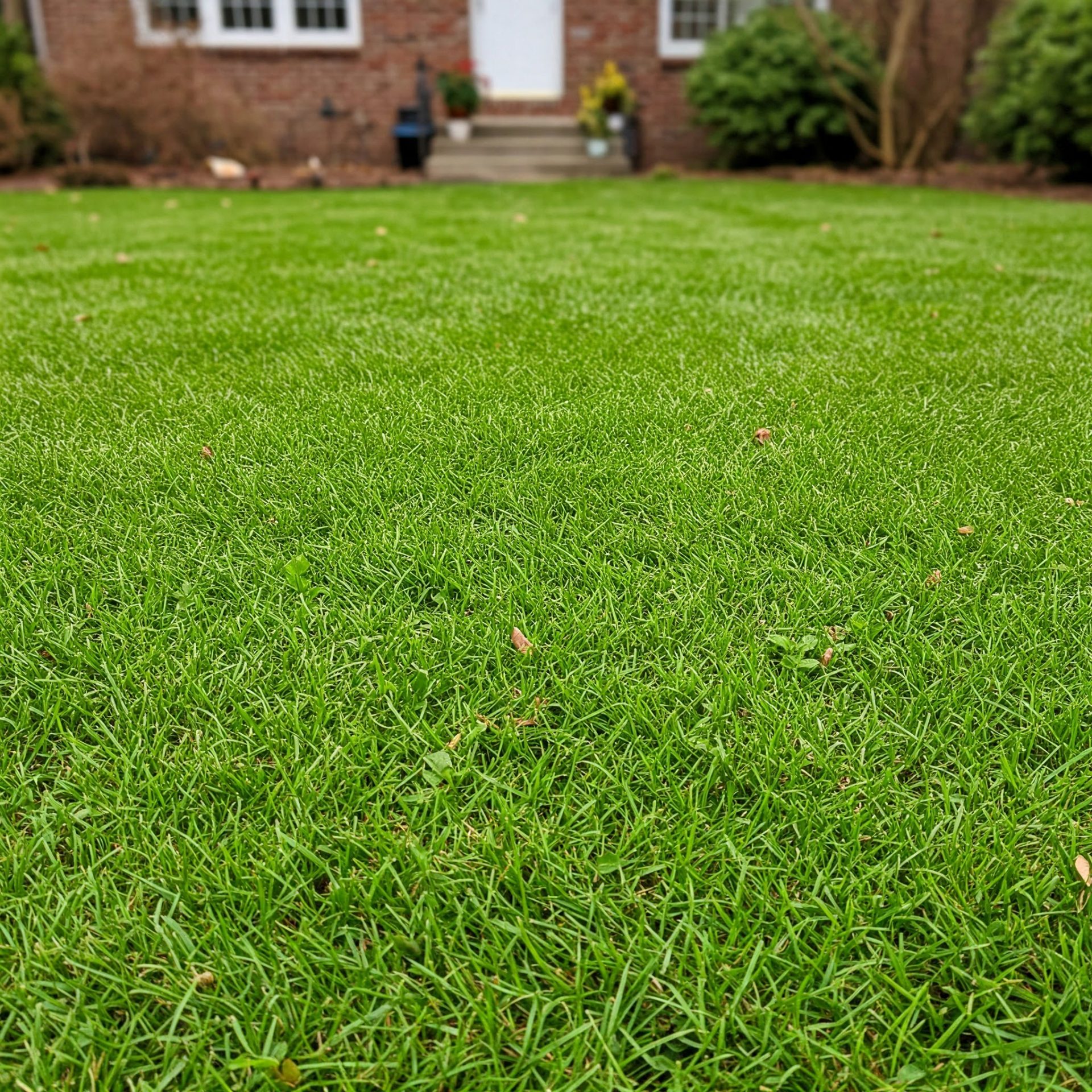
Think of fall fertilization as your lawn's savings account for winter. Unlike spring fertilizer that pushes leafy green growth, fall formulations are higher in potassium and phosphorus. These nutrients strengthen cell walls, deepen roots, and improve cold tolerance.
Apply fall fertilizer during mid to late fall when grass is still actively growing but night temperatures consistently drop below 50°F. For most metro Detroit areas, this window runs through the heart of the season.
Proper fall fertilization prevents common problems:
- Snow mold, that matted gray-pink fungus appearing under melting snow
- Winter desiccation when grass blades dry out from harsh winds
- Slow spring green-up that leaves lawns vulnerable to early weeds
- Weak roots that make grass susceptible to grub damage
- Increased vulnerability to foot traffic damage during dormancy
Michigan's cool-season grasses actively absorb nutrients until the ground freezes. This means fertilization continues working even as your lawn appears dormant. Those nutrients are stored in roots and crown tissues, ready to fuel rapid spring growth before crabgrass even germinates.
Independent Lawn Service's fertilization programs are specifically formulated for Michigan's climate and soil conditions, taking the guesswork out of application rates and timing. Their nearly 30 years of experience means they understand exactly what local lawns need to thrive.
What Happens When You Skip Fall Preparation
Let's be honest about consequences. Skipping this Michigan fall lawn care checklist doesn't just mean a slightly less attractive lawn next spring. It creates a cascade of expensive, time-consuming problems that busy families want to avoid.
Without aeration and overseeding, thin turf allows crabgrass seeds dropped last summer to germinate freely in April. Compacted soil forces water to run off rather than soak in, increasing summer watering costs and creating drainage issues. Weak grass provides easy entry for lawn diseases like brown patch and dollar spot.
Without fall fertilization, grass emerges pale and slow-growing in spring, lagging 2-3 weeks behind fertilized lawns. Weak roots make lawns more susceptible to grub damage and create higher spring fertilizer needs as you play catch-up. The financial impact adds up quickly when spring repairs become necessary.
Poor fall preparation also invites common lawn weeds that establish themselves over winter. By spring, these weeds have deep root systems that require aggressive treatment to eliminate.
Partner With Experienced Professionals
Looking at this complete Michigan fall lawn care checklist, it's easy to feel overwhelmed, especially if you're balancing kids' activities, work deadlines, and the dozen other demands of the season. Independent Lawn Service has been helping Southeast Michigan homeowners protect their lawn investments since 1997. Their team handles everything from core aeration and slit seeding to comprehensive fertilization programs tailored specifically for local climate conditions.
Whether you tackle these tasks yourself or call Independent Lawn Service at 734-600-9161, what matters is taking action before winter weather makes that decision for you. Visit independentlawnservice.mystagingwebsite.com to learn more about their comprehensive lawn care programs specifically designed for Livonia, Canton, Plymouth, Novi, and Northville properties. Your lawn and your spring self will thank you for the proactive care you provide right now.