
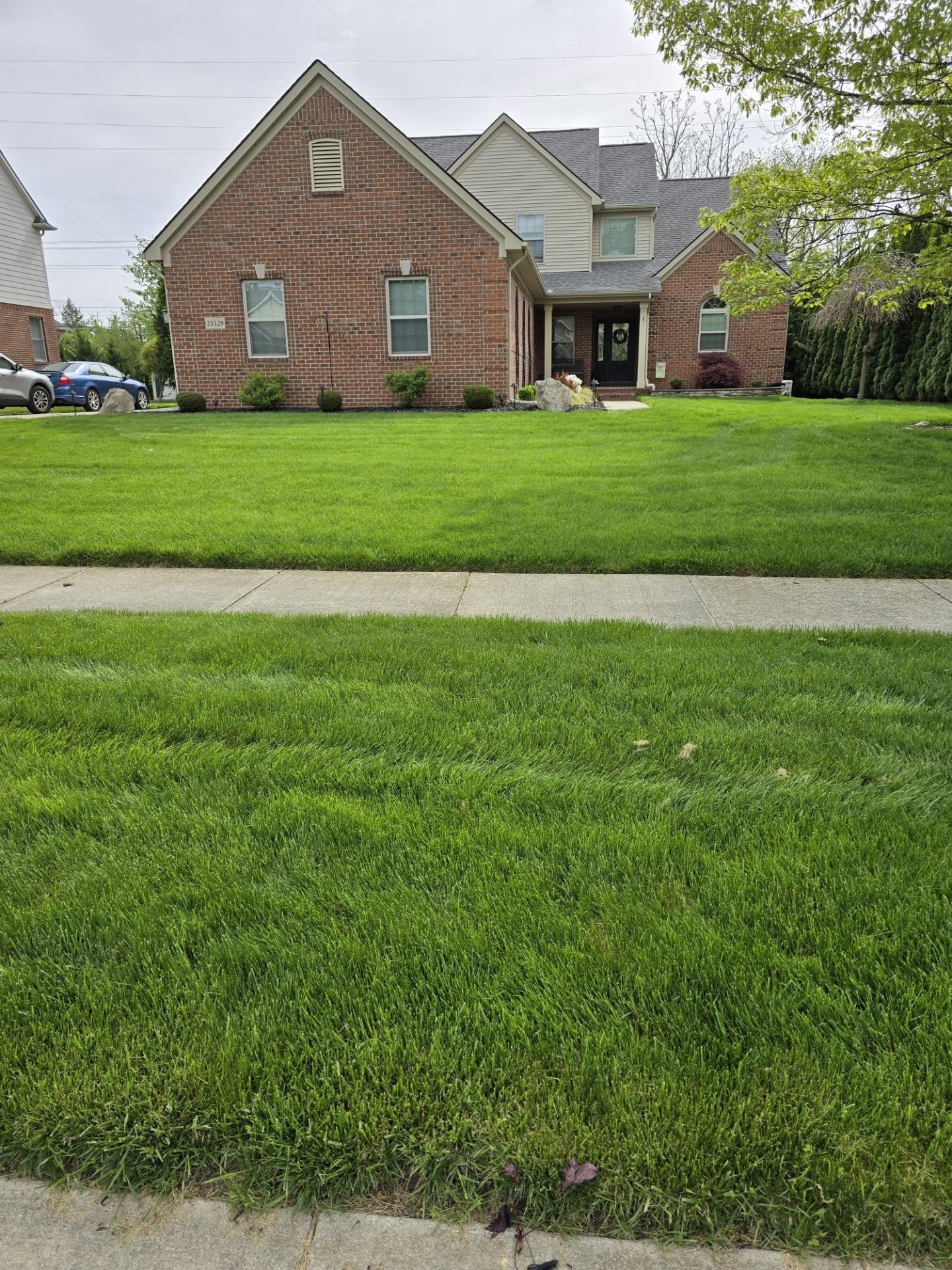
Maintaining a healthy, lush lawn in Livonia, Michigan, and surrounding areas requires proper care throughout the year. Lawn care routines such as fertilization, weed control, and year aeration play a crucial role in ensuring your grass thrives. One question many homeowners have is whether spring lawn aeration is a good idea or if it’s better left for another season. While aeration can improve soil health, Michigan’s unpredictable spring weather and timing considerations can make this decision tricky.
In this article, we’ll break down the pros and cons of spring year aeration to help you determine if it’s the right choice for your Canton or Plymouth lawn.
The Pros of Spring Lawn Aeration
Aerating your lawn in early spring has several potential advantages, particularly in areas like Livonia and the surrounding Michigan region, where winters can be harsh. Here’s how it can benefit your lawn:
Relieves Soil Compaction After Winter
After months of snowfall and foot traffic, Michigan lawns often experience soil compaction, which restricts root growth. Aeration loosens compacted soil, improving oxygen, water, and nutrient absorption.
Enhances Root Growth Before Summer Heat
Spring year aeration allows grass roots to expand before the intense summer heat sets in. This helps your lawn build strength early, making it more drought-resistant.
Improves the Effectiveness of Spring Fertilization
Aeration creates small holes in the soil, allowing fertilizers and nutrients to penetrate deeper. This can enhance the results of spring fertilization programs, ensuring your lawn gets the nourishment it needs.
Prepares Your Lawn for Overseeding
If your lawn has thin patches, aerating in spring before overseeding can improve seed-to-soil contact, leading to better germination and thicker grass growth.
Encourages Microbial Activity
By aerating in spring, you help stimulate beneficial microbial activity in the soil, which can break down thatch buildup and contribute to healthier turf.
While these benefits make spring lawn aeration seem like a great idea, there are some potential downsides to consider before scheduling your service.
The Cons of Spring Lawn Aeration
While spring year aeration has its advantages, it’s not always the best choice for every lawn in Livonia, Canton, Plymouth, and surrounding Michigan areas. Here are some potential drawbacks to consider:
Encourages Weed Growth
One of the biggest risks of aerating in spring is that it can create openings in the soil that allow weed seeds to take hold, especially aggressive varieties like crabgrass and dandelions. If you aerate too early, before applying a pre-emergent herbicide, you may see an increase in weeds.
May Disrupt Pre-Emergent Weed Control
Many Michigan homeowners apply pre-emergent crabgrass control in early spring to prevent weeds from germinating. Aeration can reduce its effectiveness by disturbing the soil and breaking up the protective barrier that prevents weeds from sprouting.
Spring Weather Can Be Unpredictable
Michigan’s spring climate is known for fluctuating temperatures, late frosts, and unexpected cold snaps. If aeration is done too early, grass roots may not take full advantage of the process, or worse, the lawn may suffer from additional stress.
Not Ideal for All Grass Types
Most Michigan lawns consist of cool-season grasses like Kentucky bluegrass, fescue, and ryegrass. While these grasses grow well in spring, their peak growth period is actually in fall. Since aeration is best performed during active growth, fall aeration often yields better long-term results.
Potential for Overstressing the Lawn
Aeration naturally causes some stress to the lawn. If followed by an unusually hot or dry spring, your Livonia lawn may struggle to recover, leading to thin or weak patches. Timing is key to preventing this issue.
While spring lawn aeration can work in some cases, it’s important to weigh these potential risks before deciding. Next, let’s discuss the best timing for aeration in Michigan and whether spring is truly the right season for your lawn.
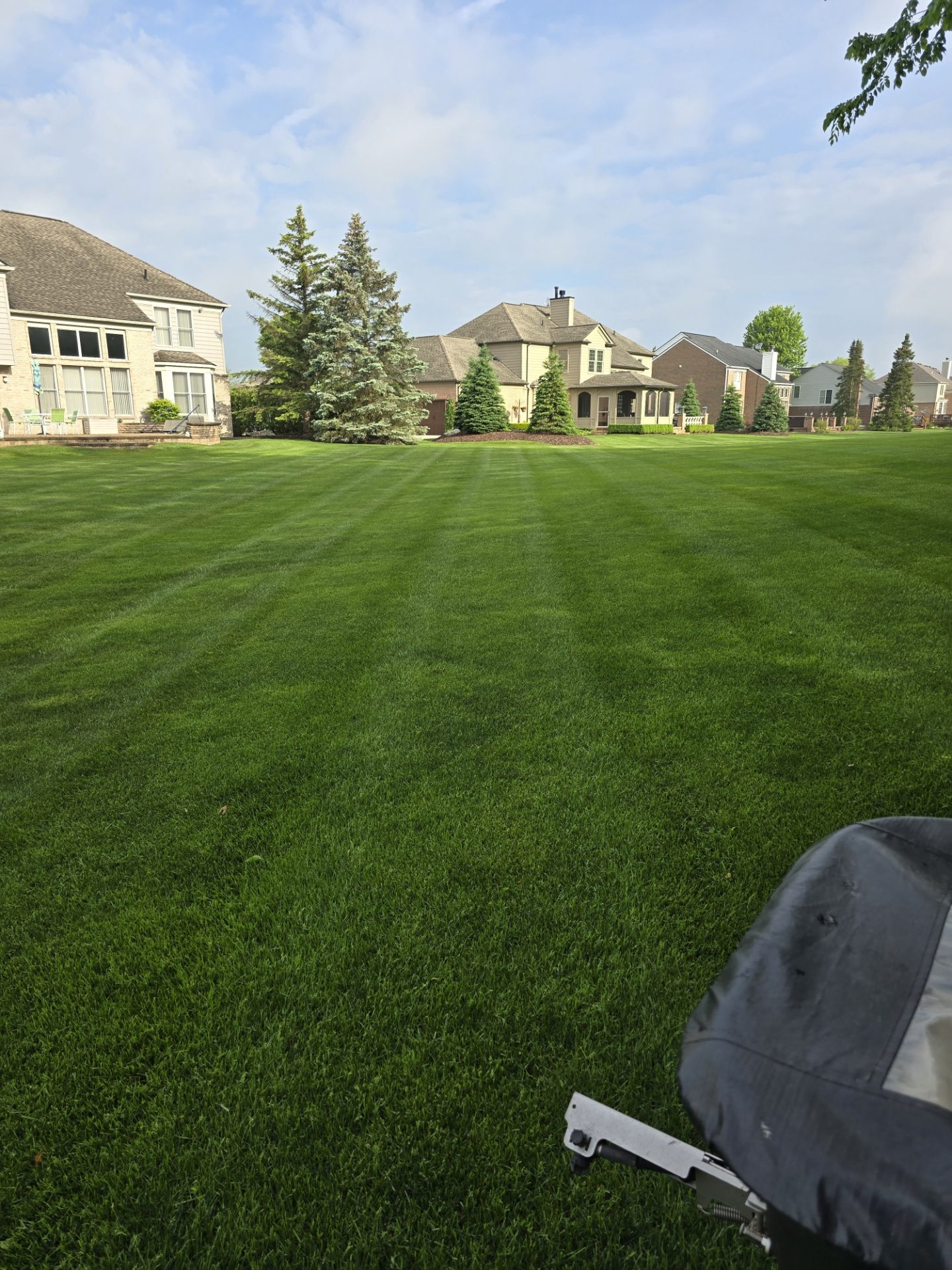
When Is the Best Time to Aerate Your Michigan Lawn?
While spring aeration has its benefits, fall is generally the best time for aeration in Livonia, Canton, Plymouth, and surrounding Michigan areas. Here’s why:
- Cool-season grasses thrive in fall: Most Michigan lawns consist of Kentucky bluegrass, fescue, and ryegrass, which grow best in cooler temperatures. Fall aeration aligns with their peak growing season, leading to better recovery.
- Lower risk of weed growth: Unlike spring, fall aeration doesn’t interfere with pre-emergent crabgrass control, reducing the chances of weed infestations.
- Stronger root development: Aerating in fall allows roots to grow deeper before winter dormancy, improving the lawn’s overall health for the following spring.
- Better conditions for overseeding and fertilization: If your lawn has bare spots, fall aeration enhances seed-to-soil contact, leading to thicker, healthier grass. It also helps fertilizers reach the roots for optimal nutrient absorption.
- Less heat and drought stress: Spring-aerated lawns may struggle if summer arrives too quickly. Fall aeration ensures recovery in mild temperatures with adequate moisture.
That said, if your lawn has severe compaction or excessive thatch buildup after winter, spring aeration can still be beneficial. However, it should be carefully timed to avoid disrupting pre-emergent weed control applications.
Should You Aerate Your Lawn This Spring?
Deciding whether to aerate in spring depends on your lawn’s condition and overall lawn care goals. If your lawn is heavily compacted or has significant thatch buildup, spring aeration can provide immediate relief. However, if your grass is relatively healthy, it’s often best to wait until fall, when conditions are more favorable for root development, overseeding, and weed prevention.
No matter when you choose to aerate, pairing it with a comprehensive lawn care plan—including fertilization, weed control, and pest management—will ensure your lawn stays thick, green, and resilient year-round.
If you're unsure whether spring aeration is right for your Livonia, Canton, or Plymouth lawn, the experts at Independent Lawn Service can help. Call us at (734) 600-9161 or fill out our online contact form to schedule a consultation. We’ll assess your lawn’s needs and recommend the best approach for a healthier, more beautiful yard!