

Weeds can quickly take over a lawn if not managed properly. As spring arrives in Michigan, homeowners must take action to keep their grass healthy. Weed control is essential for maintaining a lush, green lawn. Without it, weeds compete for nutrients, water, and sunlight. A proper plan will help reduce unwanted growth before it becomes a bigger problem.
Spring is the best time to start proactive lawn care. Warmer temperatures and increased rainfall create ideal conditions for weeds to spread. A combination of preventive measures and targeted treatments will keep them under control. By following these smart strategies, you can enjoy a weed-free lawn this season.
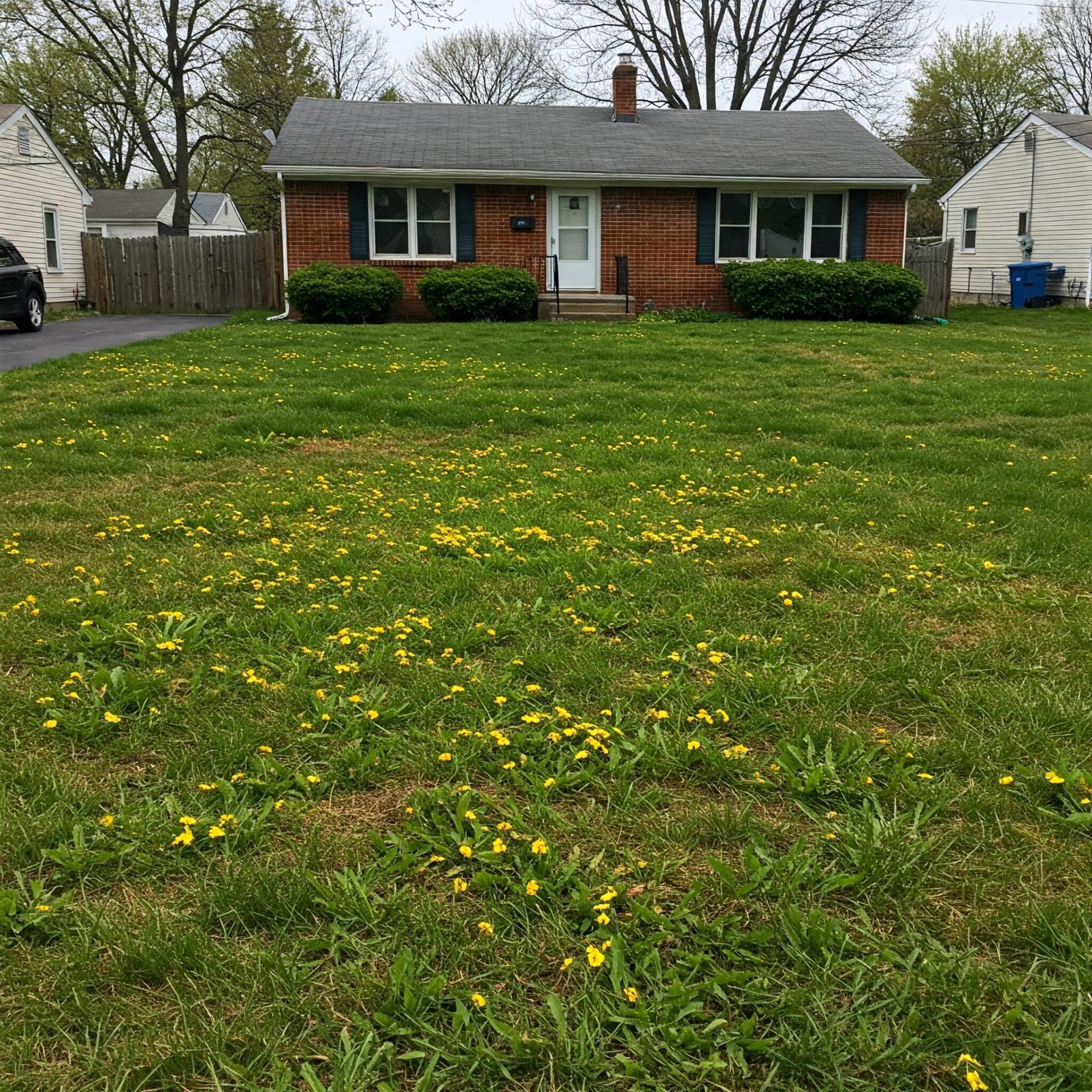
1. Apply Pre-Emergent Herbicides Early
Stopping weeds before they sprout is one of the best weed control methods. Pre-emergent herbicides work by preventing weed seeds from germinating. This step is crucial for tackling annual weeds like crabgrass and foxtail.
How to apply pre-emergents effectively:
- Apply in early spring when soil temperatures reach 50-55°F.
- Choose a pre-emergent suited for your grass type.
- Water the lawn after application to activate the herbicide.
- Avoid raking or aerating treated areas, as this disrupts the barrier.
In Michigan, April is the ideal time for this treatment. A well-timed application will reduce weed growth and keep your lawn looking healthy.
2. Mow at the Right Height
Mowing might seem simple, but it plays a big role in weed control. Cutting grass too short weakens it, giving weeds more room to grow. A thicker, healthier lawn naturally crowds out unwanted plants.
Best mowing practices for weed prevention:
- Keep grass at 3-4 inches to shade out weed seeds.
- Avoid cutting more than ⅓ of the blade at a time.
- Use sharp mower blades for a clean cut that promotes healthy growth.
- Change mowing patterns regularly to prevent soil compaction.
In Michigan, mowing starts in early spring, so setting the right height now will help limit weeds throughout the season.
3. Feed Your Lawn with the Right Fertilizer
A well-fed lawn is better at fighting off weeds. Fertilization strengthens grass, making it more resistant to invasive plants. Without proper nutrients, weak patches develop, giving weeds the space they need to grow.
How to fertilize for weed control:
- Use a slow-release fertilizer for steady growth.
- Apply the right balance of nitrogen, phosphorus, and potassium.
- Fertilize in spring and fall to keep grass thick and healthy.
- Follow recommended rates to avoid overfeeding, which can encourage weeds.
In Livonia, MI, April is an excellent time to start spring fertilization. Strong, nutrient-rich grass will naturally outcompete weeds throughout the season.
4. Water Deeply but Infrequently
Proper watering helps maintain a strong lawn that resists weeds. Shallow, frequent watering encourages weak roots, making it easier for weeds to take over. Deep watering promotes a healthy root system that can outcompete unwanted plants.
Tips for effective watering:
- Water early in the morning to reduce evaporation.
- Aim for 1-1.5 inches of water per week, including rainfall.
- Water deeply once or twice a week rather than daily.
- Avoid overwatering, as it can lead to weed-friendly conditions.
A well-hydrated lawn is better equipped to fight off invasive plants and maintain its health throughout the season

5. Remove Weeds Before They Spread
Eliminating weeds early prevents them from taking over your lawn. Once they mature, they produce seeds that spread quickly, making weed control more difficult. Regular maintenance keeps their growth in check.
Best practices for manual weed removal:
- Pull weeds after rain when the soil is soft.
- Use a weeding tool to remove the entire root.
- Dispose of weeds properly to prevent reseeding.
- Remove weeds before they flower to stop seed spread.
Consistently removing weeds will reduce their presence and help maintain a healthier, weed-free lawn.
6. Overseed to Fill in Bare Spots
Thin or patchy areas in your lawn create the perfect space for weeds to grow. Overseeding helps thicken the turf, making it harder for weeds to establish. A dense lawn naturally improves weed control by outcompeting unwanted plants.
How to overseed effectively:
- Choose high-quality grass seed suited for your lawn.
- Spread seed evenly over thin or bare areas.
- Keep the soil moist until new grass is established.
- Combine overseeding with aeration for better soil contact.
Overseeding is most effective when done correctly, and professional services can ensure the best results. Experts know the right seed types, timing, and techniques to help create a thick, weed-resistant lawn.
7. Use Post-Emergent Herbicides When Needed
Even with the best prevention, some weeds may still appear. Post-emergent herbicides help eliminate existing weeds, improving overall weed control. These treatments target weeds that have already sprouted, stopping them from spreading further.
How to use post-emergent herbicides effectively:
- Apply when weeds are actively growing for the best results.
- Choose selective herbicides that target weeds without harming grass.
- Spot-treat problem areas instead of spraying the entire lawn.
- Follow label instructions carefully to avoid overuse.
For stubborn or widespread weed issues, professional lawn care services can apply targeted treatments to restore your lawn’s health.
Take Control of Weeds for a Healthier Lawn
Weed control is an ongoing process that requires the right combination of prevention, maintenance, and targeted treatments. By following these smart strategies—applying pre-emergent herbicides, mowing properly, fertilizing, watering correctly, removing weeds early, overseeding, and using post-emergent treatments—you can maintain a lush, healthy lawn all season long.
For homeowners in Livonia, MI, professional lawn care services can take the hassle out of weed control. Independent Lawn Service offers expert treatments, customized plans, and long-term solutions to keep your lawn in top shape. Call (734) 600-9161 or fill out our contact form today to schedule a consultation and enjoy a weed-free lawn this season!